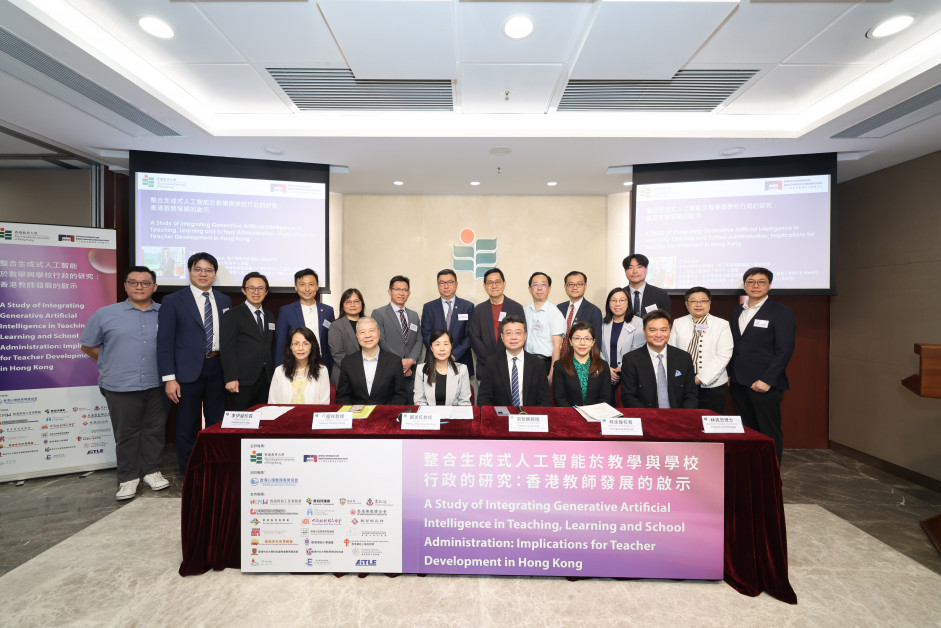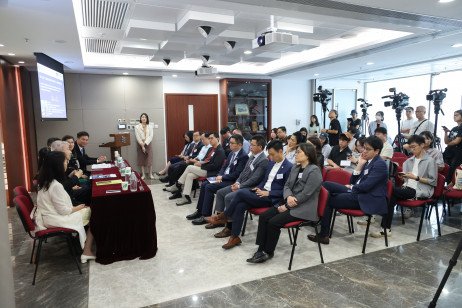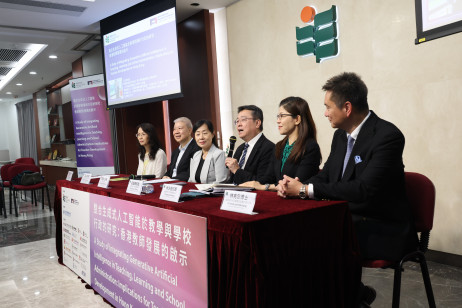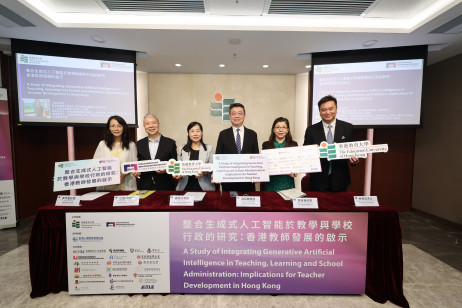


EdUHK Research Reveals Positive Teacher Attitudes on AI Calls for Strengthened Professional Guidance and Administrative Support
The Education Bureau of the Hong Kong Special Administrative Region (HKSAR) Government recently launched a public consultation on the "Blueprint for Digital Education Development in Primary and Secondary Schools", studying artificial intelligence (AI) literacy and its application across academic disciplines. As a pioneer in teacher education in Hong Kong, The Education University of Hong Kong (EdUHK) conducted a study in May and June 2026 to examine the current state of generative AI application in teaching and school administration among in-service teachers.
Led by Professor Kong Siu-cheung, Director of Artificial Intelligence and Digital Competency Education Centre (AIDCED), the survey found that over 20% of primary and secondary schools are actively exploring the AI application in teaching, learning, and administrative work. However, teachers' understanding of generative AI and how to integrate professional pedagogical knowledge to guide students in using these tools, still requires enhancement. The study recommends designing comprehensive professional development programmes to help teachers make effective use of AI in cultivating students’ metacognitive abilities—such as understanding what AI is, thinking critically about how AI can enhance human intelligence, and developing self-directed learning and creative thinking. This will enable the younger generation to thrive in a fast-changing technological learning environment while upholding human values.
On the administrative side, teachers generally hold a positive attitude toward generative AI and expect it to reduce the time and effort required for administrative tasks. However, the survey revealed that schools still need to provide more resources, practical support, and training for teachers when adopting AI tools such as chatbots. In particular, cultivating teachers' metacognitive abilities in optimising administrative workflows is identified as another critical element of professional development. This not only enhances efficiency but also improves the quality of school administration.
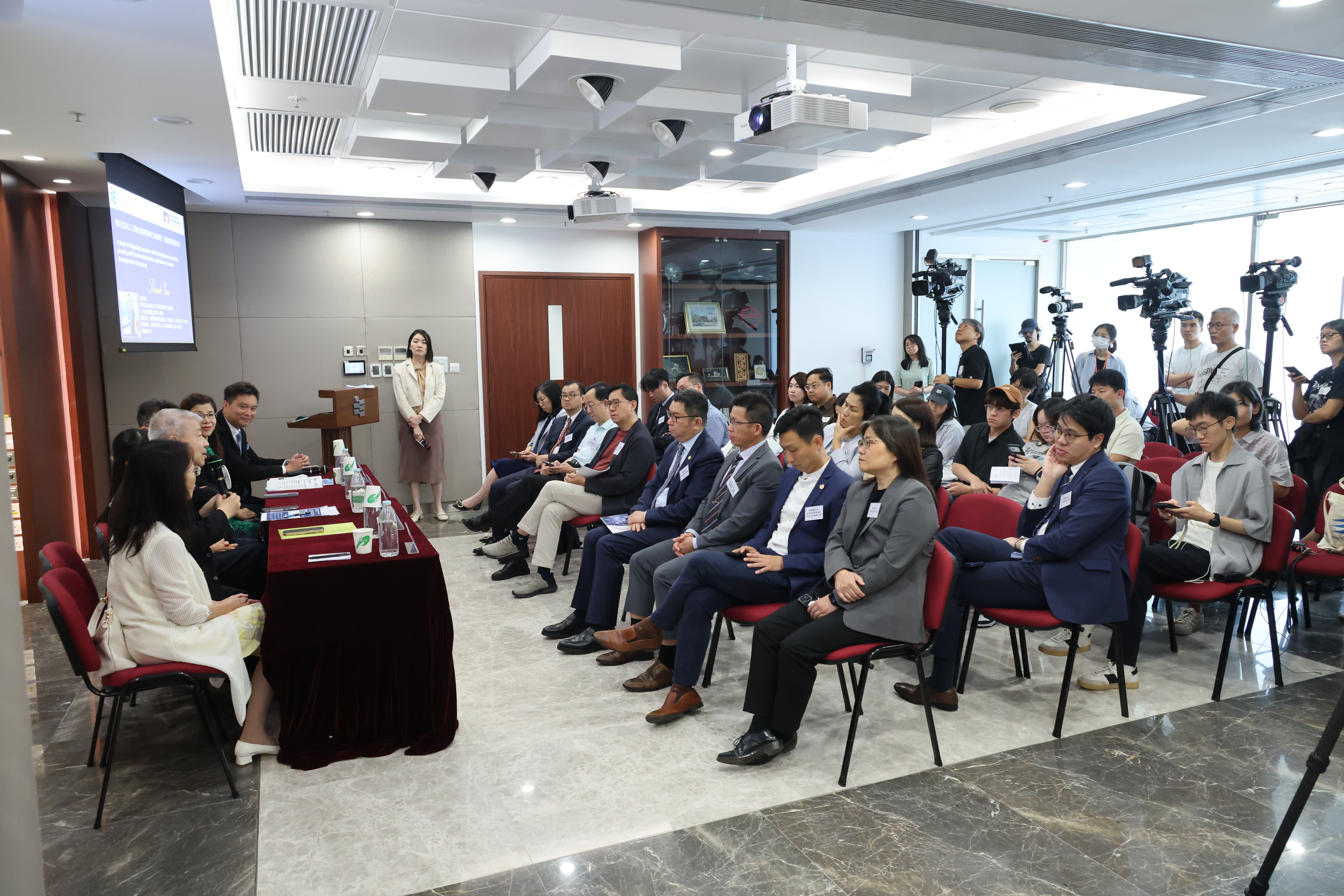
The research team collected 1,892 valid questionnaires from 82 secondary schools, 65 primary schools, 16 special schools, and other educational institutions. Among these, 1,162 responses focused on teaching applications, while 730 related to administrative applications. In addition, 46 principals and senior teachers from 41 schools participated in 8 focus group discussions, yielding multiple case studies of AI applications in teaching and administrative work.
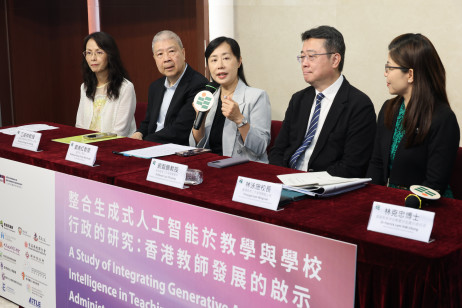
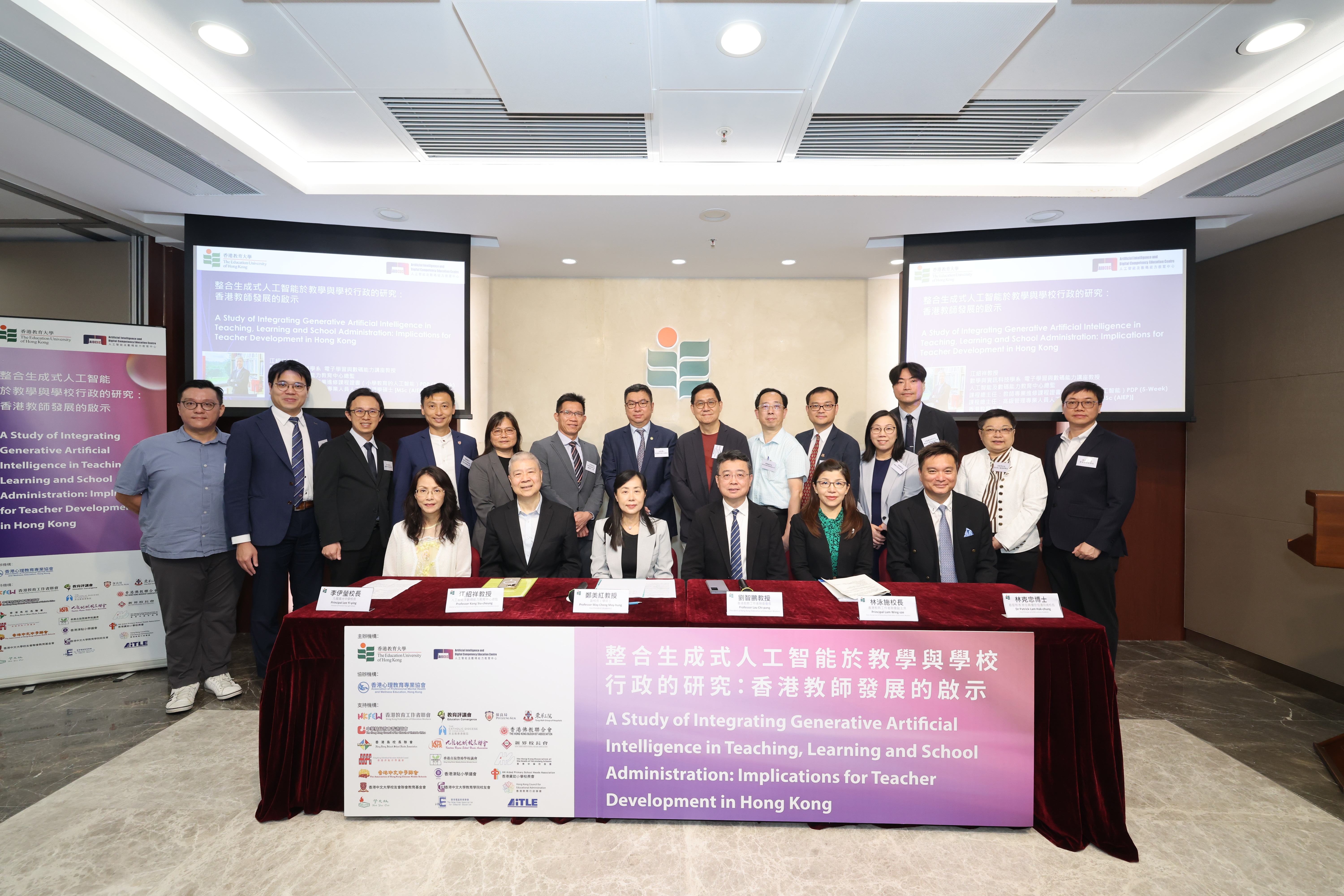
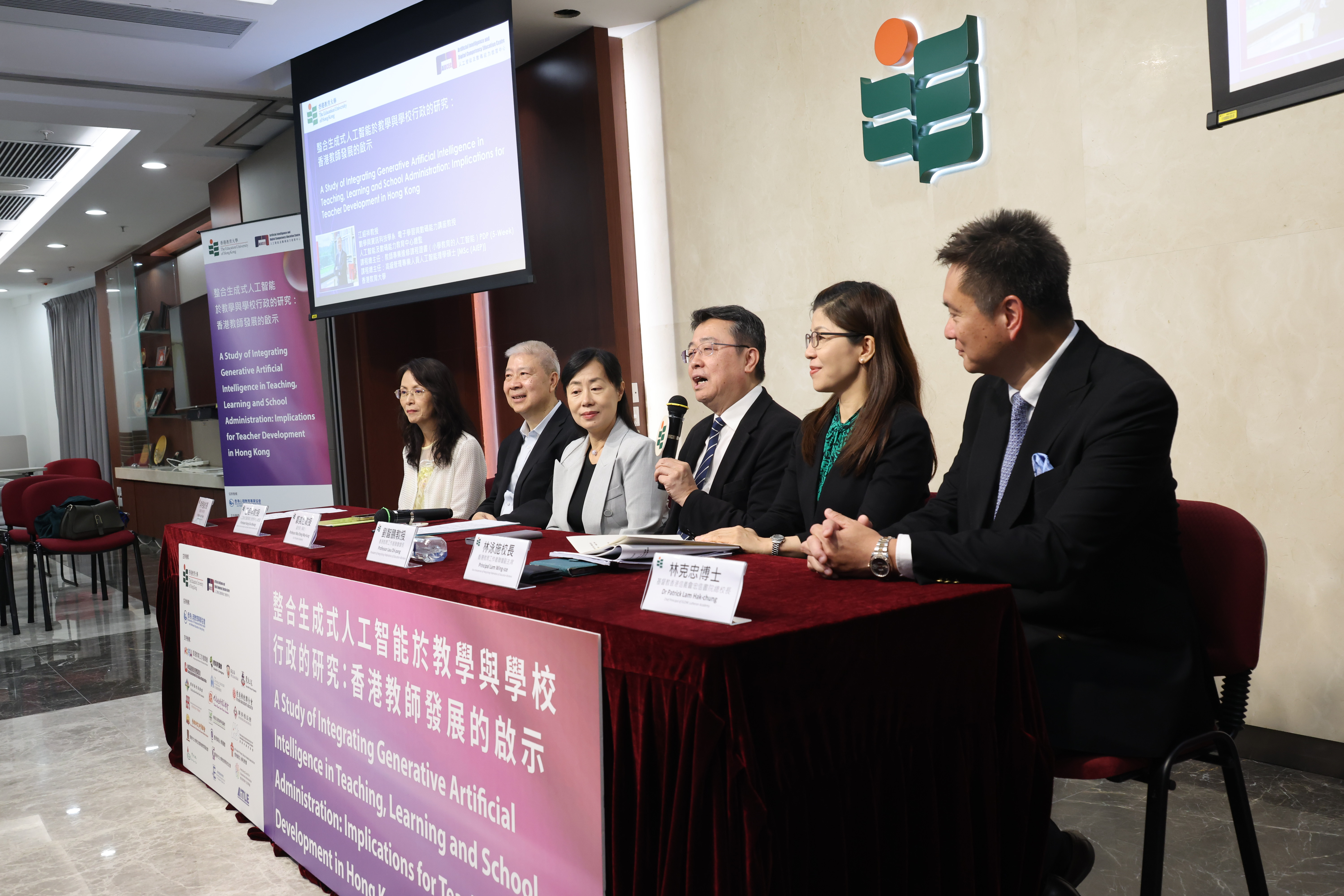
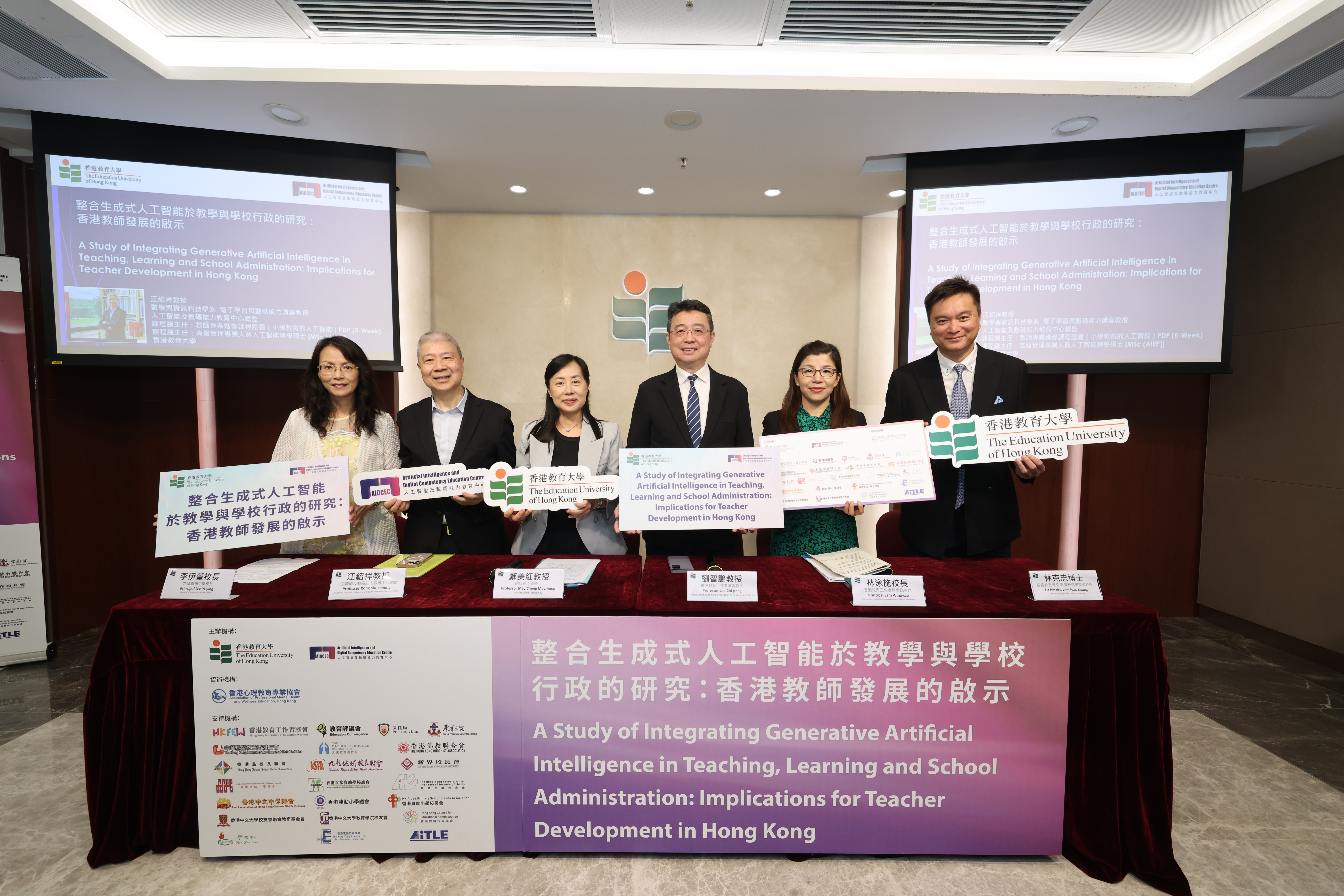
This study was supported by the Hong Kong Federation of Education Workers (HKFEW) and more than 20 educational organisations. Professor Lau Chi-pang, President of the HKFEW, stated, "In this new era of rapid AI development, society's demand for talent is gradually changing. This research by EdUHK not only helps schools and teachers respond to the impact of AI, but also provides concrete guidance for implementing digital education blueprint in primary and secondary schools."
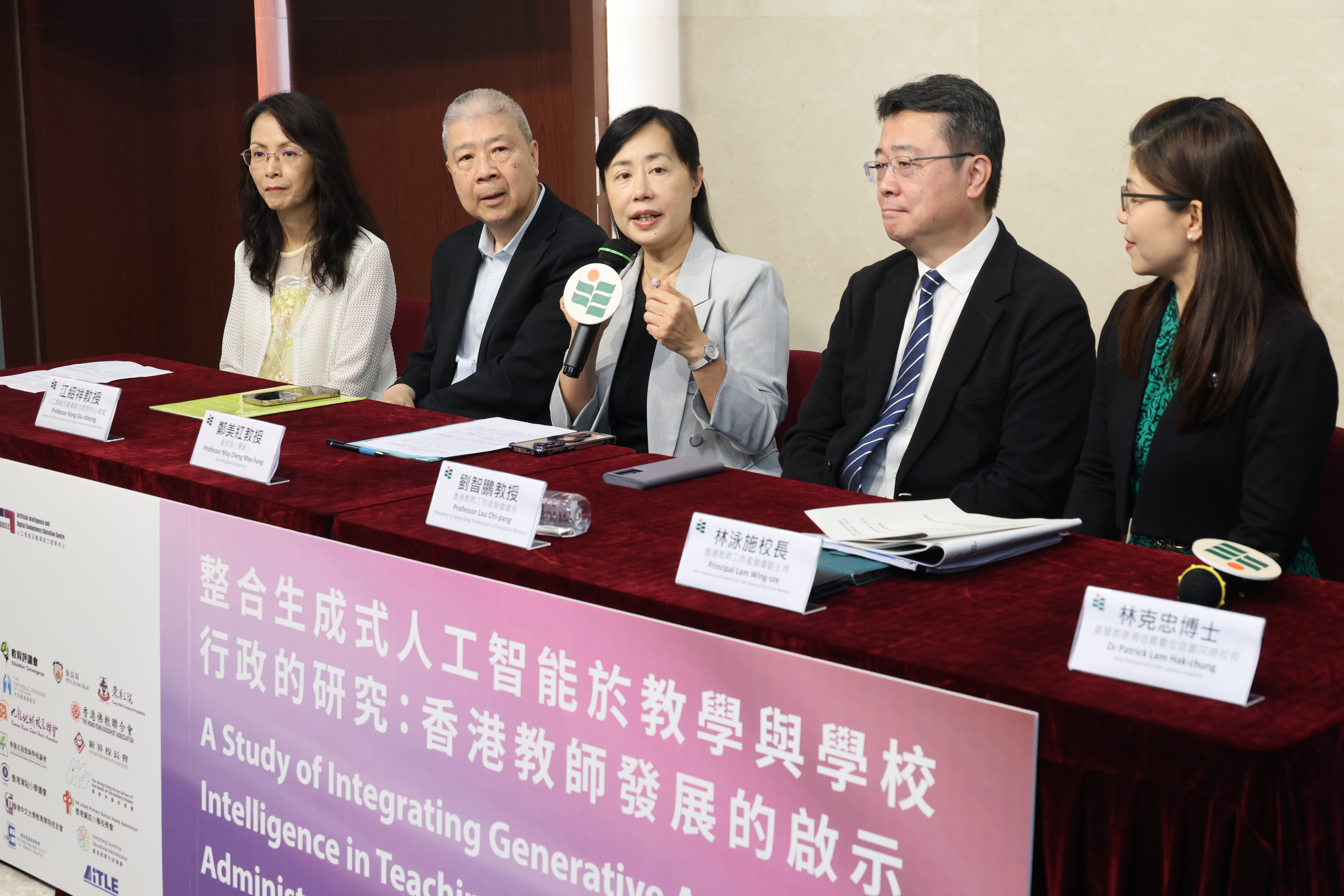
Professor May Cheng May-hung, Vice President (Academic) of EdUHK, said, "Hong Kong teachers are eager to embrace AI in their professional practice, yet there remains a clear need for targeted training and support. This study provides valuable insights into the areas where teachers require the most guidance. AI is not simply the introduction of new technological tools, but a significant milestone in teacher professional development. Teachers must evolve from being transmitters of knowledge to becoming learning designers who nurture students’ metacognitive abilities, self-directed learning, and creative thinking. EdUHK is committed to working with the education sector to build a sustainable AI education ecosystem that strengthens teaching and learning across schools."
AIDCED Director Professor Kong Siu-cheung stated, “Through this study, EdUHK aims to understand how AI is being applied in schools and design professional development programmes that respond to teachers’ actual needs. Building on this foundation, EdUHK will collaborate closely with education institutions, sponsoring bodies and schools to launch high-quality teacher development initiatives. These include establishing learning communities to strengthen teachers’ professional capacity, promoting AI literacy, and integrating AI into subject learning and school administration to foster teachers’ and students’ metacognitive abilities.”
-Ends-
EdUHK Research Reveals Positive Teacher Attitudes on AI Calls for Strengthened Professional Guidance and Administrative Support
Download all images