

EdUHK Hosts AI4EDU Forum to Enhance Cross-Sector Innovation, Implementation and Collaboration in AI for Education
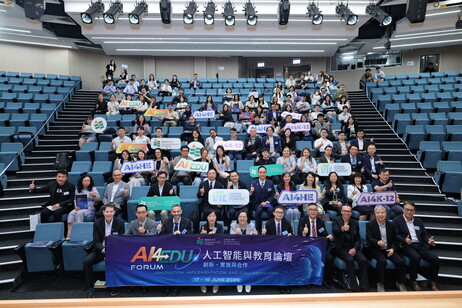
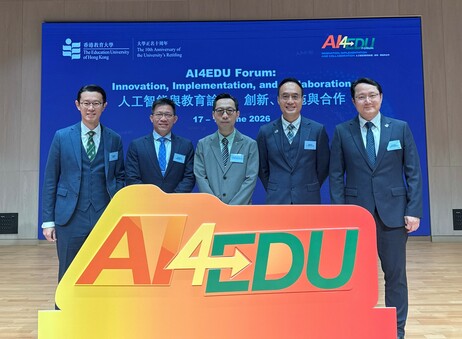
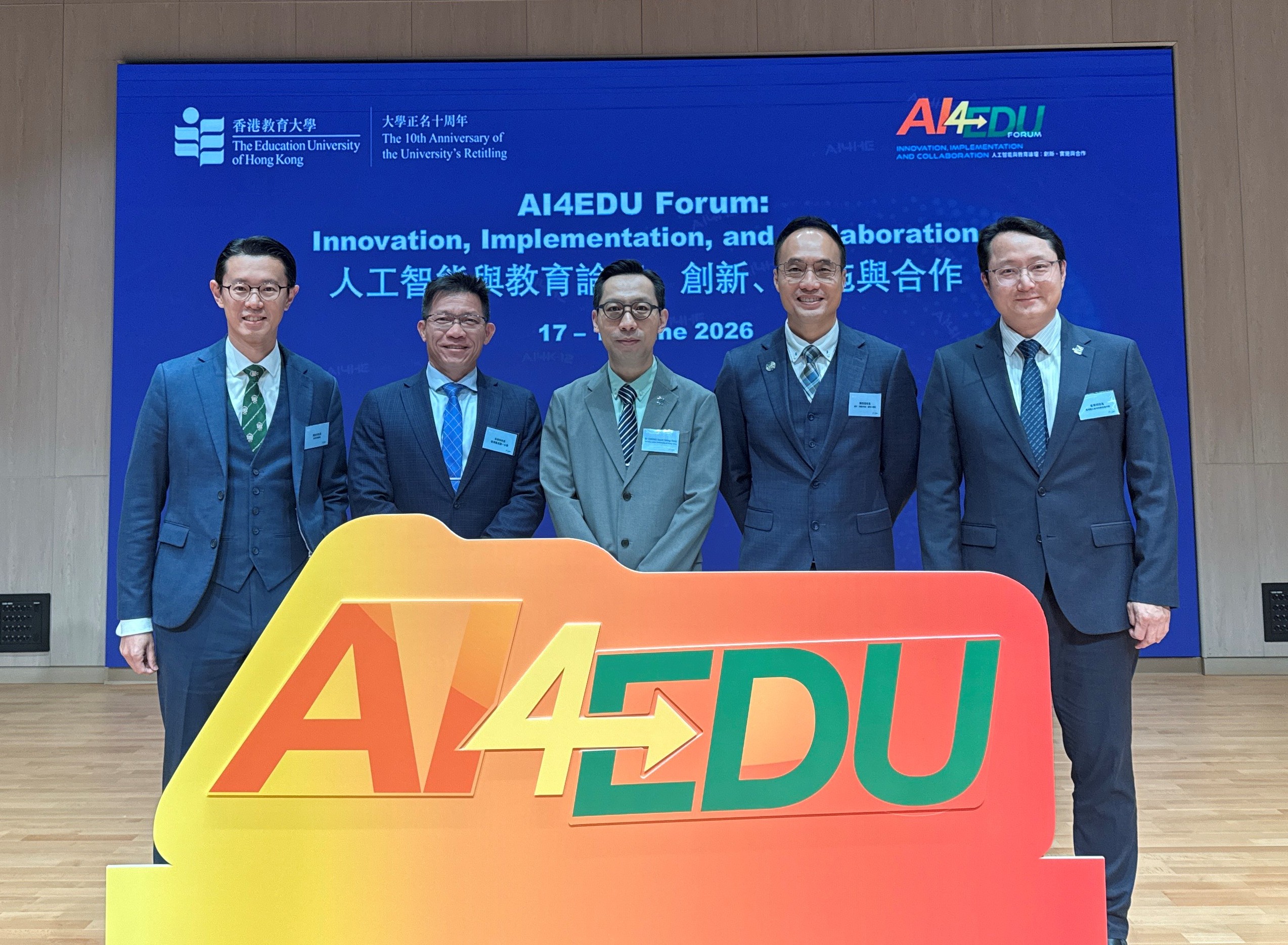
The Education University of Hong Kong (EdUHK) launched the AI4EDU Forum 2026: Innovation, Implementation, and Collaboration, taking place from 17 to 18 June at the New Academic Building on its Tai Po campus. This two-day forum, commemorating the University’s 10th Anniversary of Retitling (10A), brought together prominent local and overseas scholars, school principals, frontline educators, and industry partners from Hong Kong and Chinese Mainland to promote the strategic and responsible integration of artificial intelligence (AI) across K-12 and higher education sectors.
Professor John Lee Chi-Kin, President of EdUHK and the Chair Professor of the Department of Curriculum and Instruction, stated, “We view AI not merely as a technological tool, but as an essential catalyst for human-centred social equity, inclusion, and sustainable development. Our commitment is to bridge digital divides and ensure that AI-driven educational innovations benefit the learners as well as the national and global communities, fostering accessible, high-quality learning opportunities for all.”
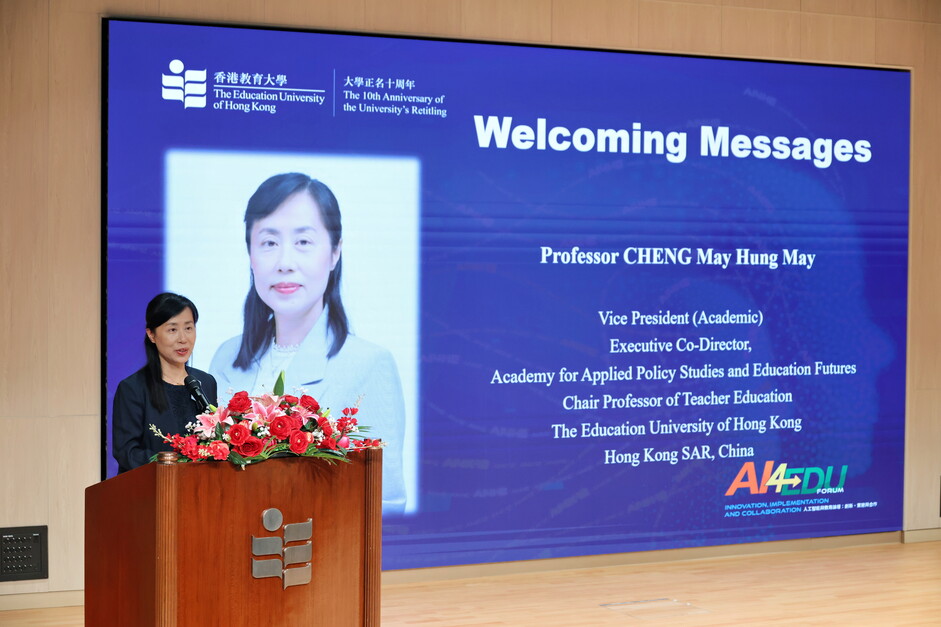
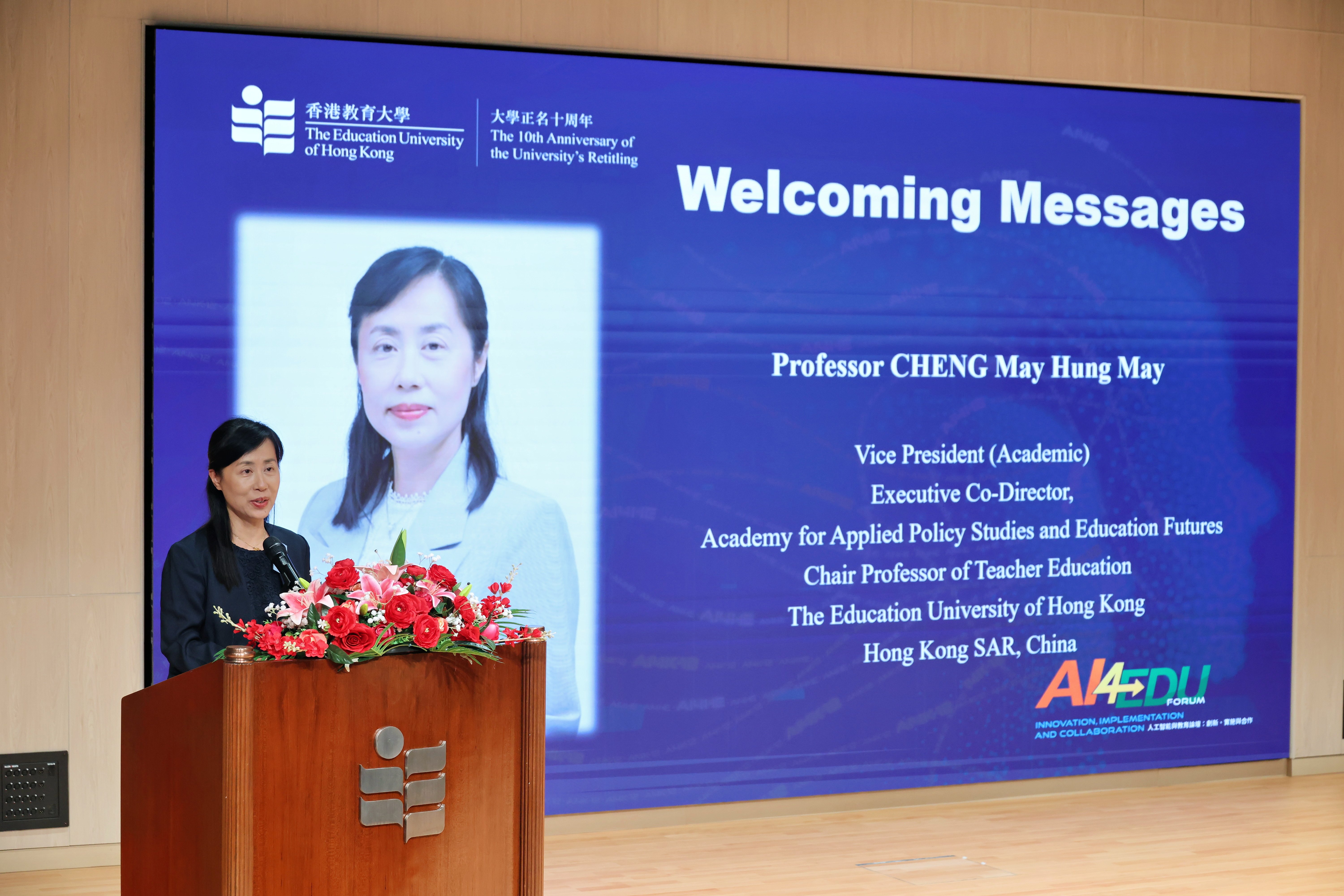
The Forum also marked the launch of the EdUHK AI4EDU Innovation Hub, a one-stop resource centre for promoting AI-supported education. Professor May Cheng May-hung, Vice President (Academic) of EdUHK and Chair Professor of Teacher Education, emphasised, “Our University has launched a three-year AI and Digital Competency Strategy, under which we promote the AI4EDU Framework. This underscores our longstanding commitment to nurturing future-ready talents who possess AI-related graduate attributes, including not only AI literacy but also AI and disciplinary integration, creativity and innovation, impact assessment, and ethical consideration. We strive for local, regional, and international collaborations, and this Forum highlights EdUHK’s dedication to a collaborative approach in AI for education initiatives, facilitating meaningful dialogue on best practices for integrating AI across diverse K-12 subjects and in higher education.”
The Forum encompasses two main categories:
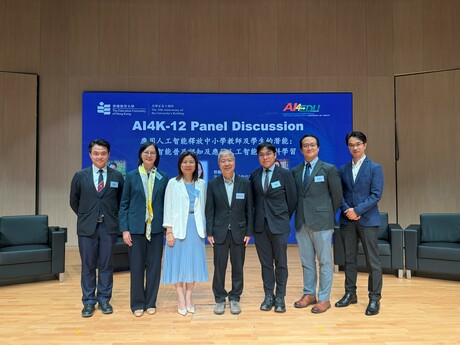
AI4K-12: AI for School Education
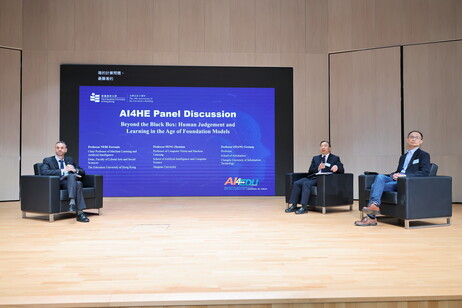
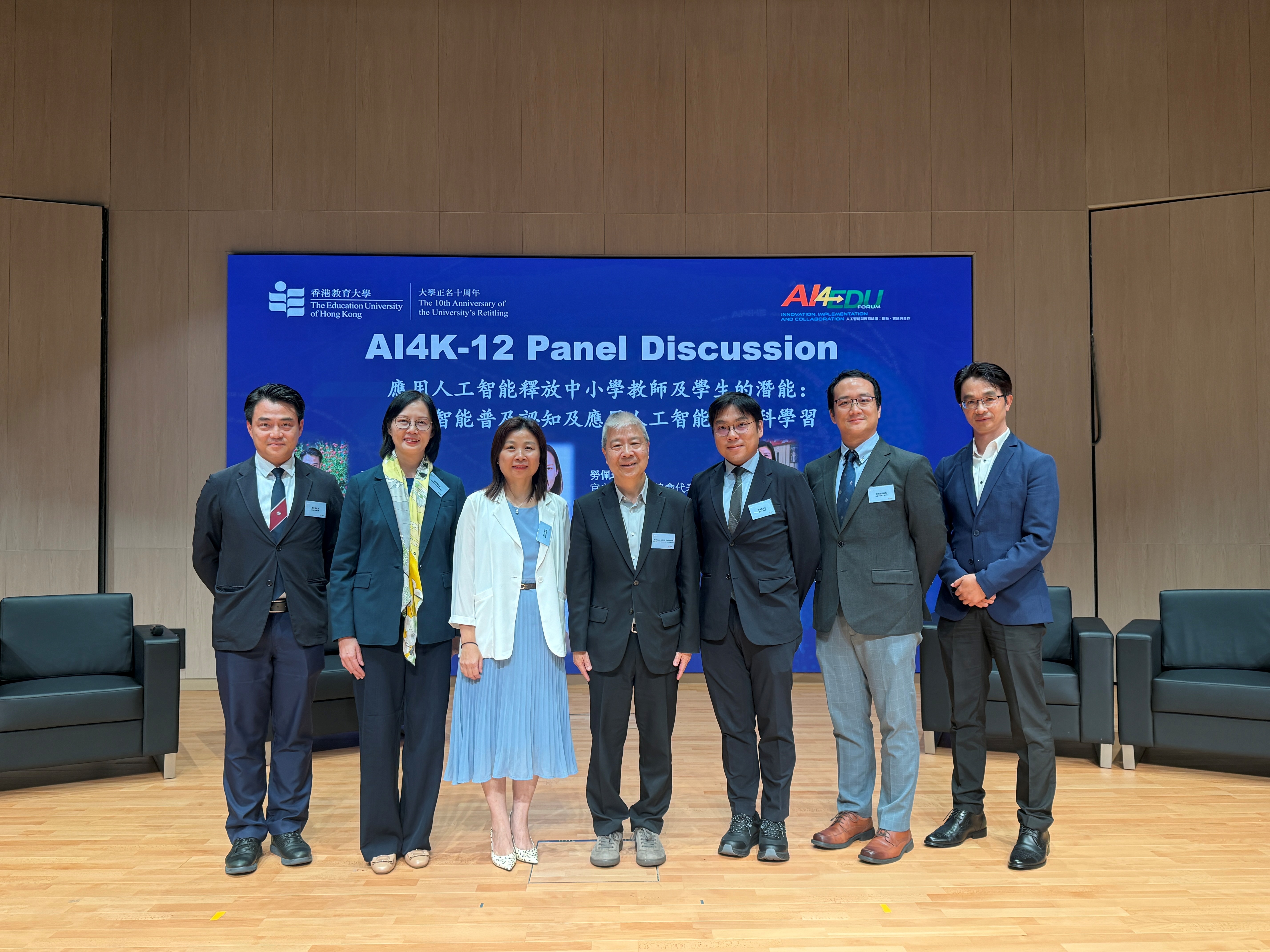
Focusing on school education from kindergarten through secondary levels, the strand explored how AI could empower teacher professional development in early childhood education and systematically integrated AI applications in primary and secondary education, based on a scalable foundation and established pedagogical groundwork. Discussions covered subject-specific applications in Languages, Mathematics, Science, and STEAM, highlighting how generative AI, adaptive learning platforms, and data-informed technologies enhance personalised learning, formative assessment, and differentiated instruction. Panel discussions addressed whole-school AI strategies, structured professional development for teachers, curriculum alignment, and governance frameworks to ensure ethical and sustainable adoption.
AI4HE: AI for Higher Education
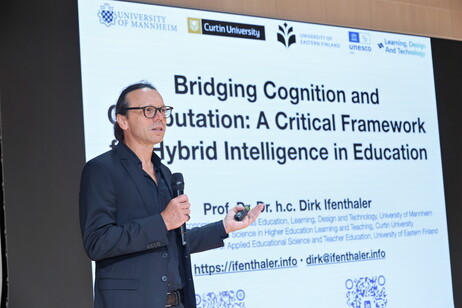
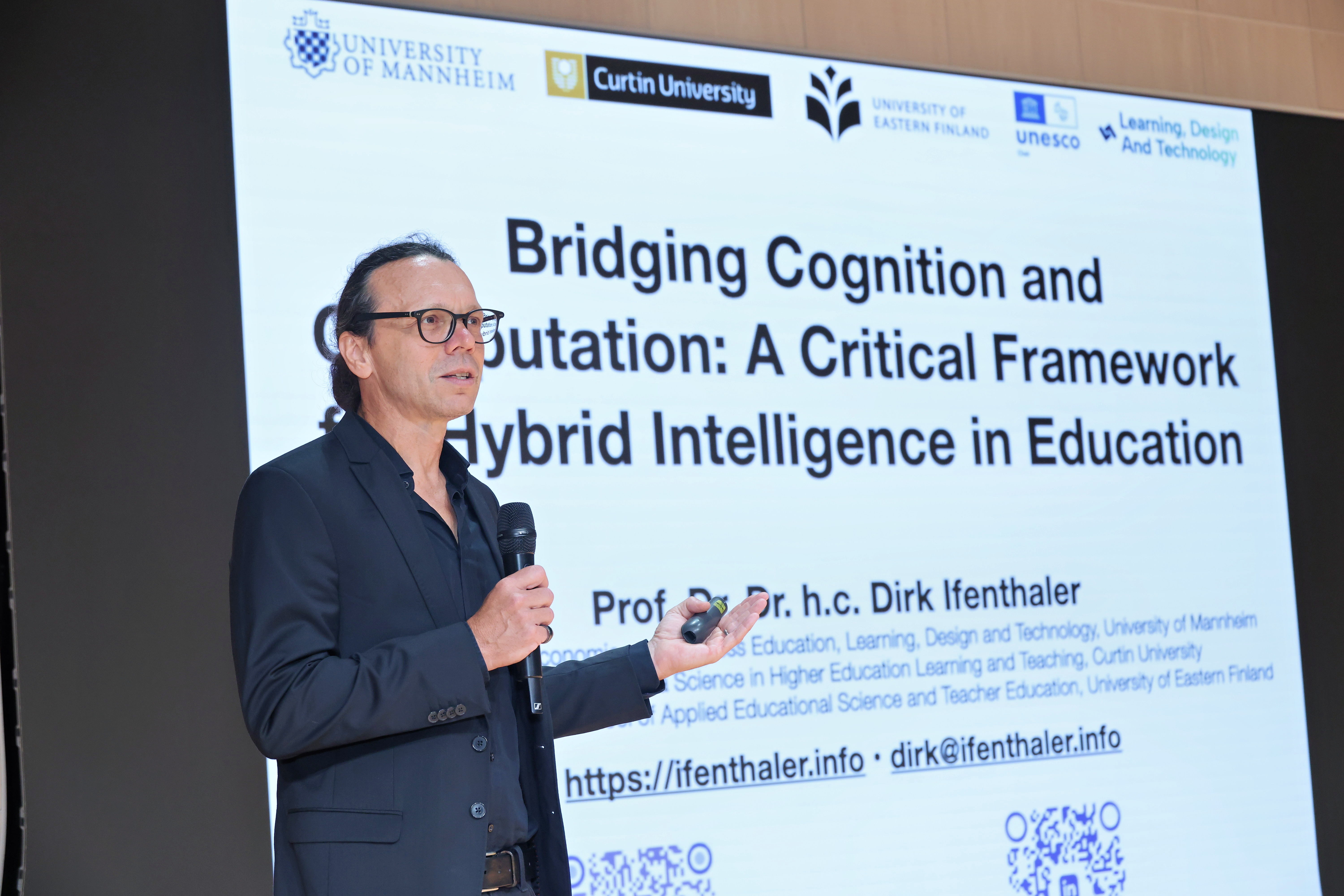
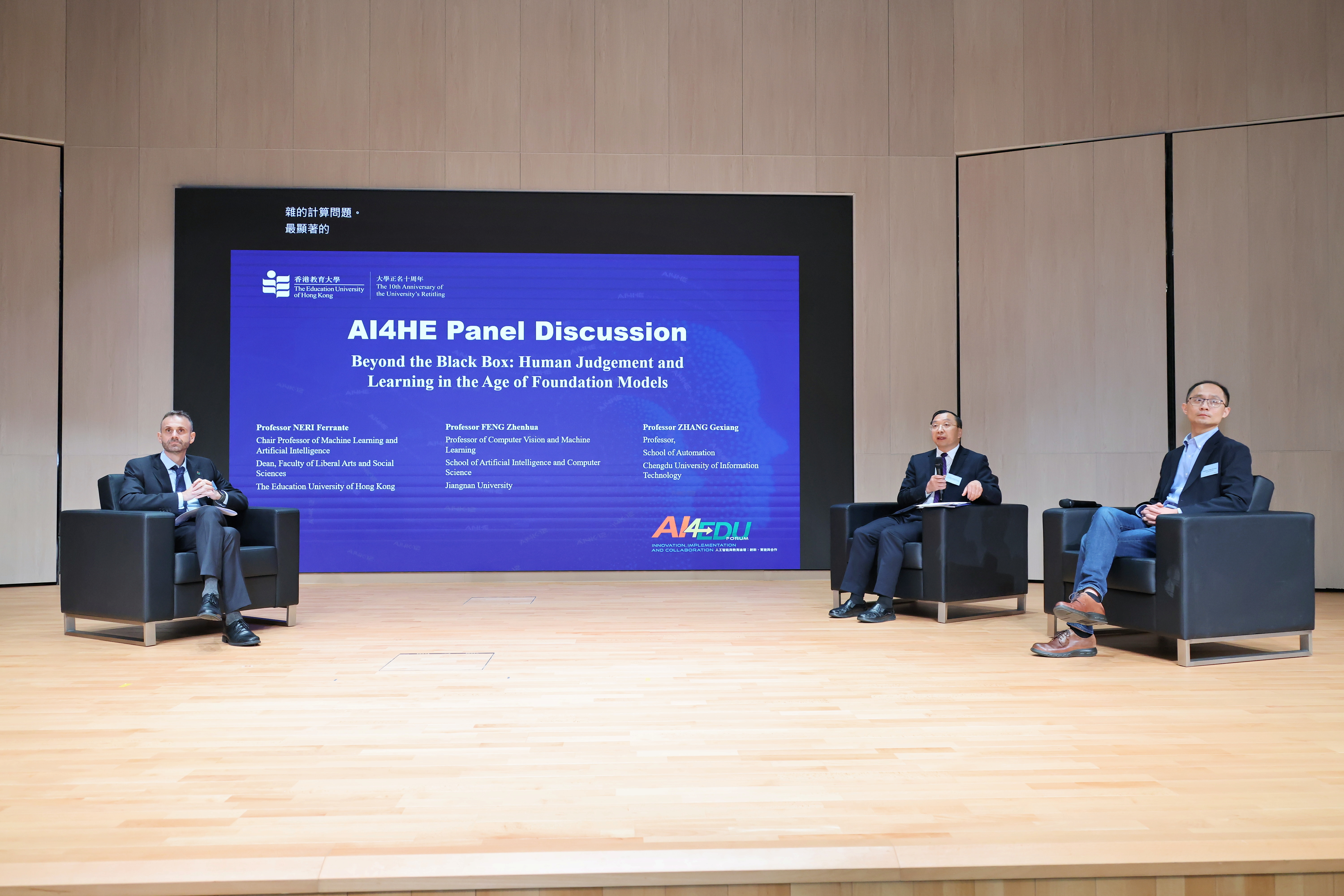
Focusing on tertiary to vocational education, this strand examined curriculum redesign, academic policy development, and institutional readiness. Speakers underscored the necessity of alignment across the education continuum to prepare future-ready learners and educators.
Professor Lee added, “We recognise that the true potential of AI in education lies not merely in technical sophistication, but in purposeful and principled implementation embedded with proper values and ethics. It challenges us to refine our research approaches, rethink assessment paradigms, and engage carefully with the ethical and societal implications of these powerful tools. Our aim is to harness AI not only to enhance efficiency, but also to deepen understanding of knowledge, cultivate creativity, and promote the well-being of learners and educators alike.”
The Forum also showcased EdUHK’s role in fostering strategic dialogue and supporting the ongoing evolution of education in a rapidly changing global landscape. For more details about the Forum, please visit the website (https://www.eduhk.hk/ai4edu2026/).
-Ends-