

EdUHK Hosts “School-based Practices of Patriotic Education” Seminar
Primary and Secondary School Principals Share Practical Experience and Achievements
The Education University of Hong Kong (EdUHK) recently hosted a seminar titled “School-based Practices of Patriotic Education” (The Seminar), inviting experienced principals and vice principals from primary and secondary schools to share their school-based practices. The seminar explored how curriculum integration, experiential learning and campus culture can advance patriotic education, moving progressively from cognitive understanding to identity and practice, thereby nurturing a new generation with a strong sense of national belonging.
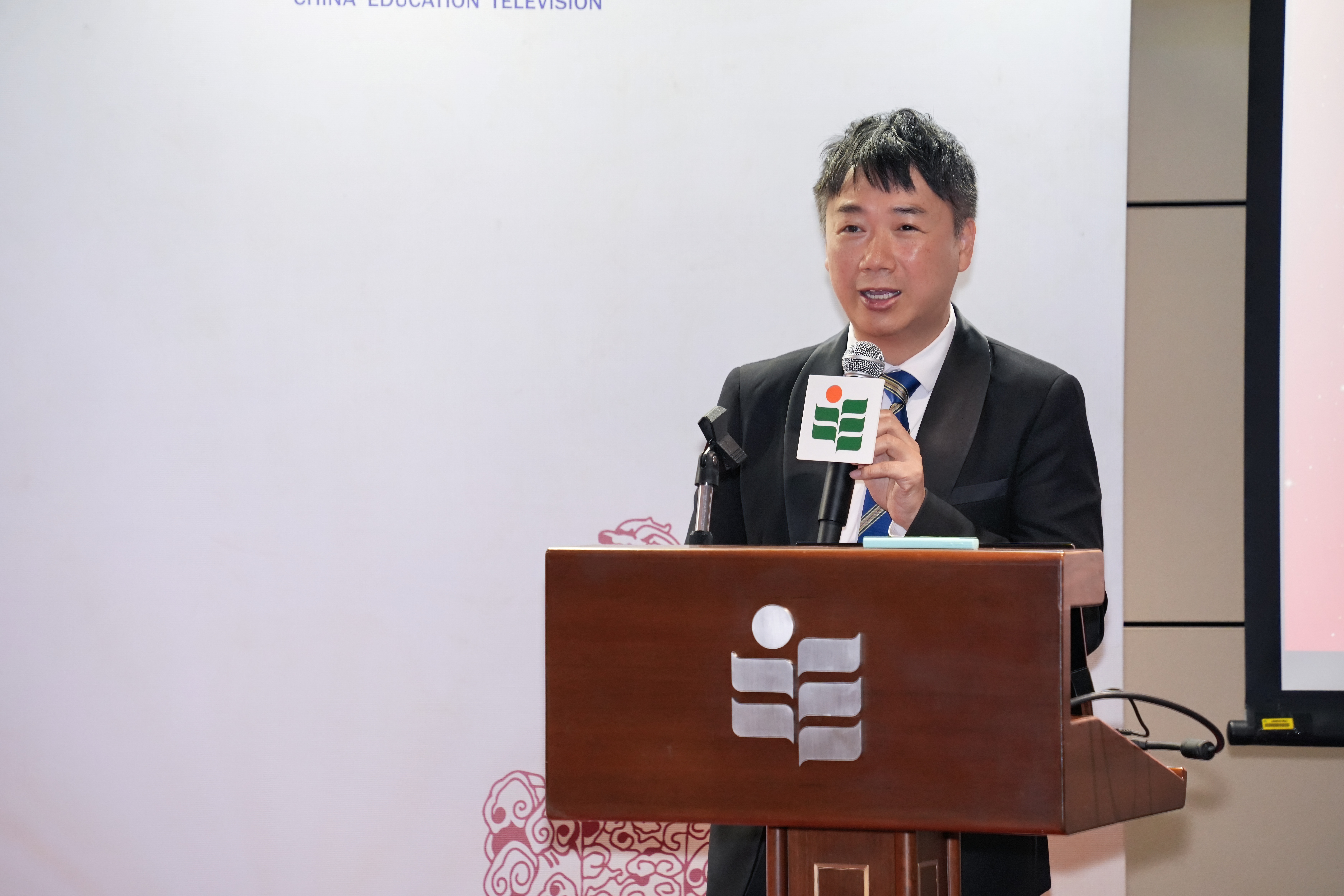
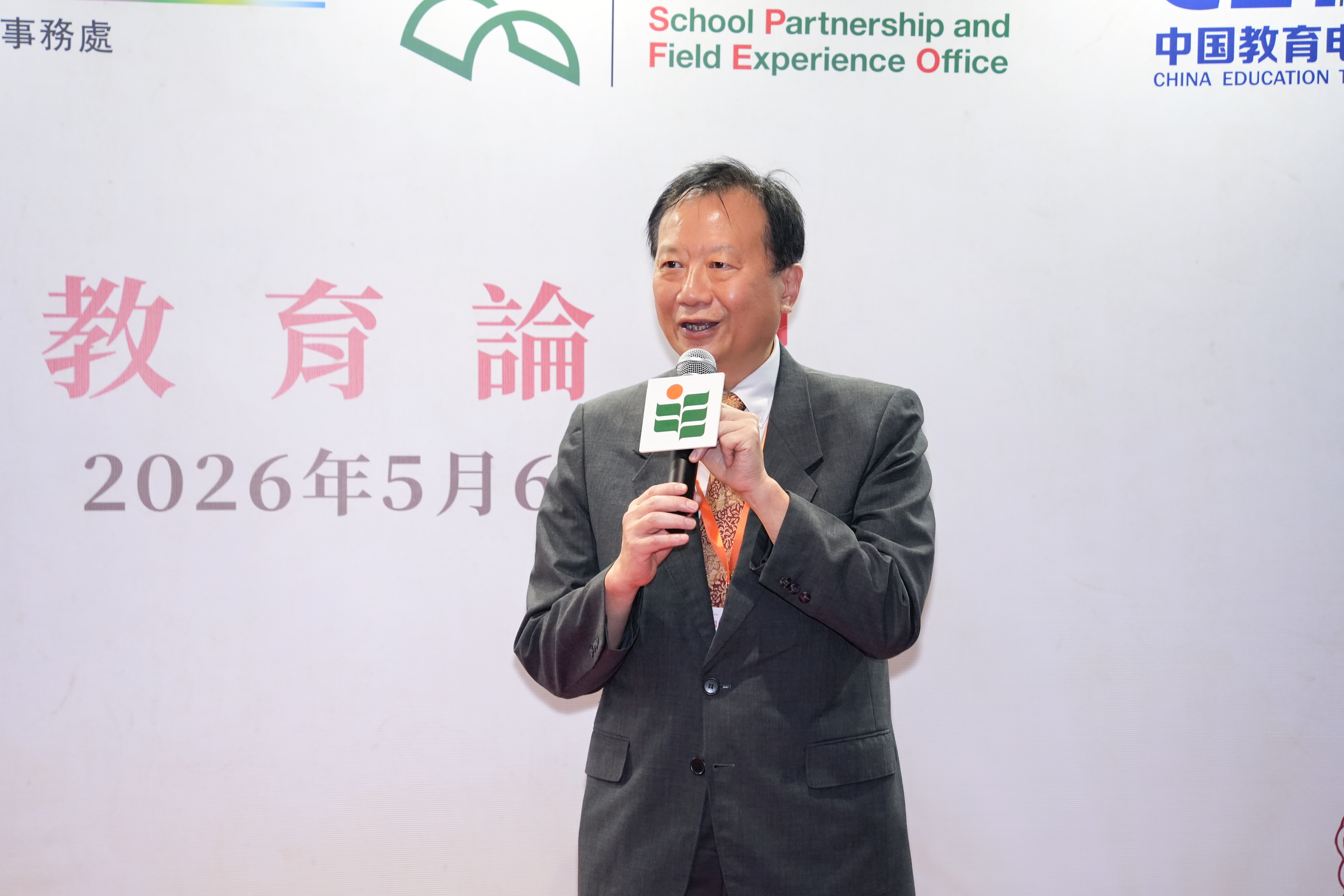
Moderated by Dr Kevin Kam Wai-keung, Director of School Partnership and Field Experience and Mr Chau Lap, Executive Co-Director of the Centre for Classical Chinese Education, and, the seminar was one of the highlight event of the “Patriotic Education Forum” held on 6-7 May.
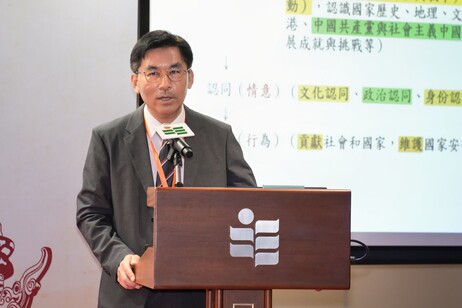
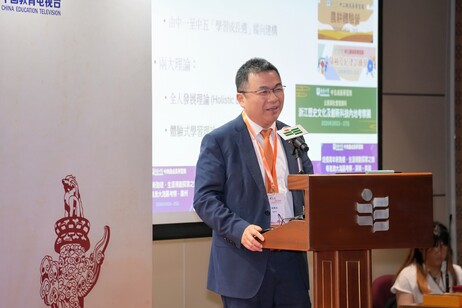
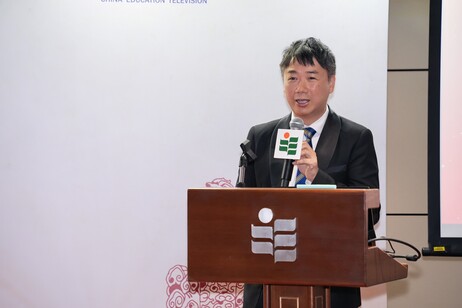
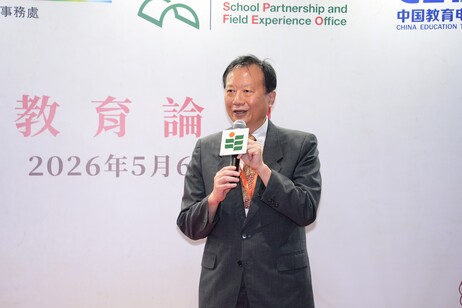
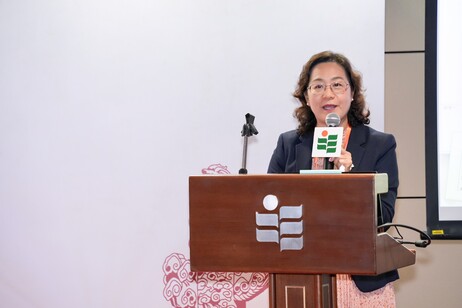
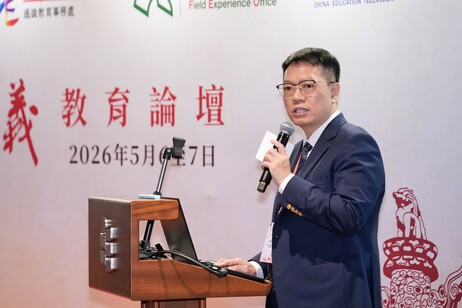
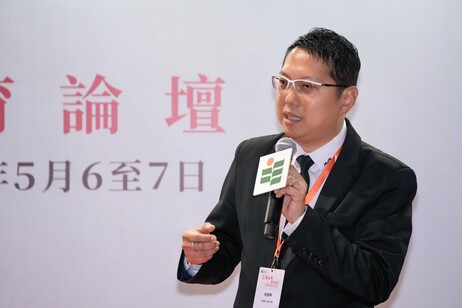
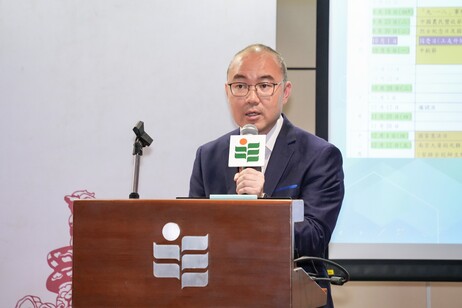
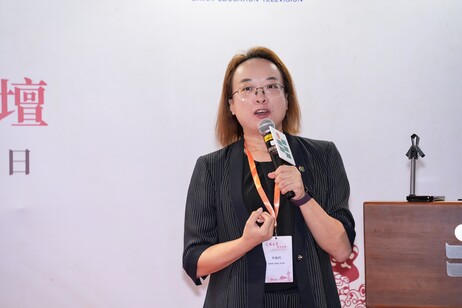
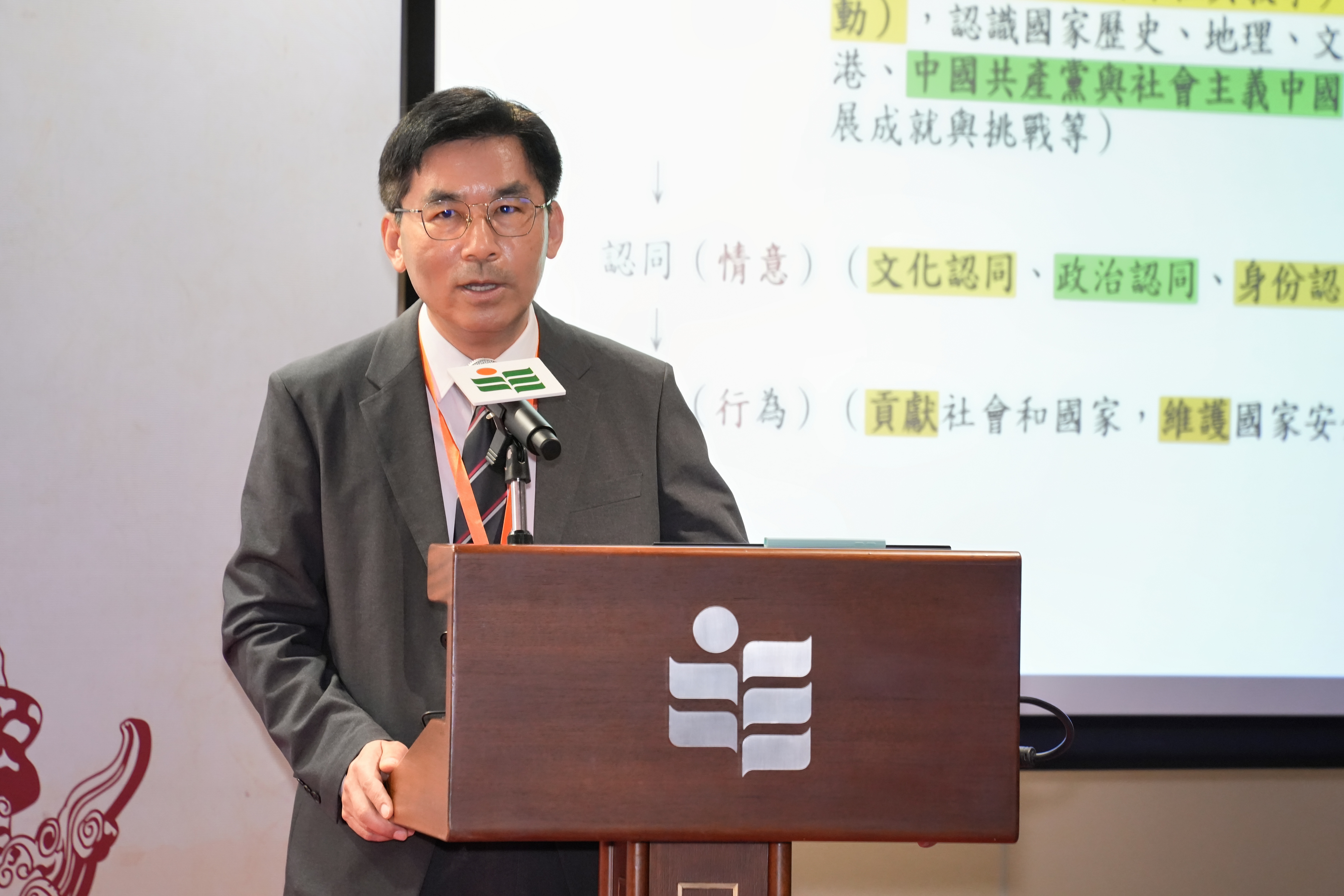
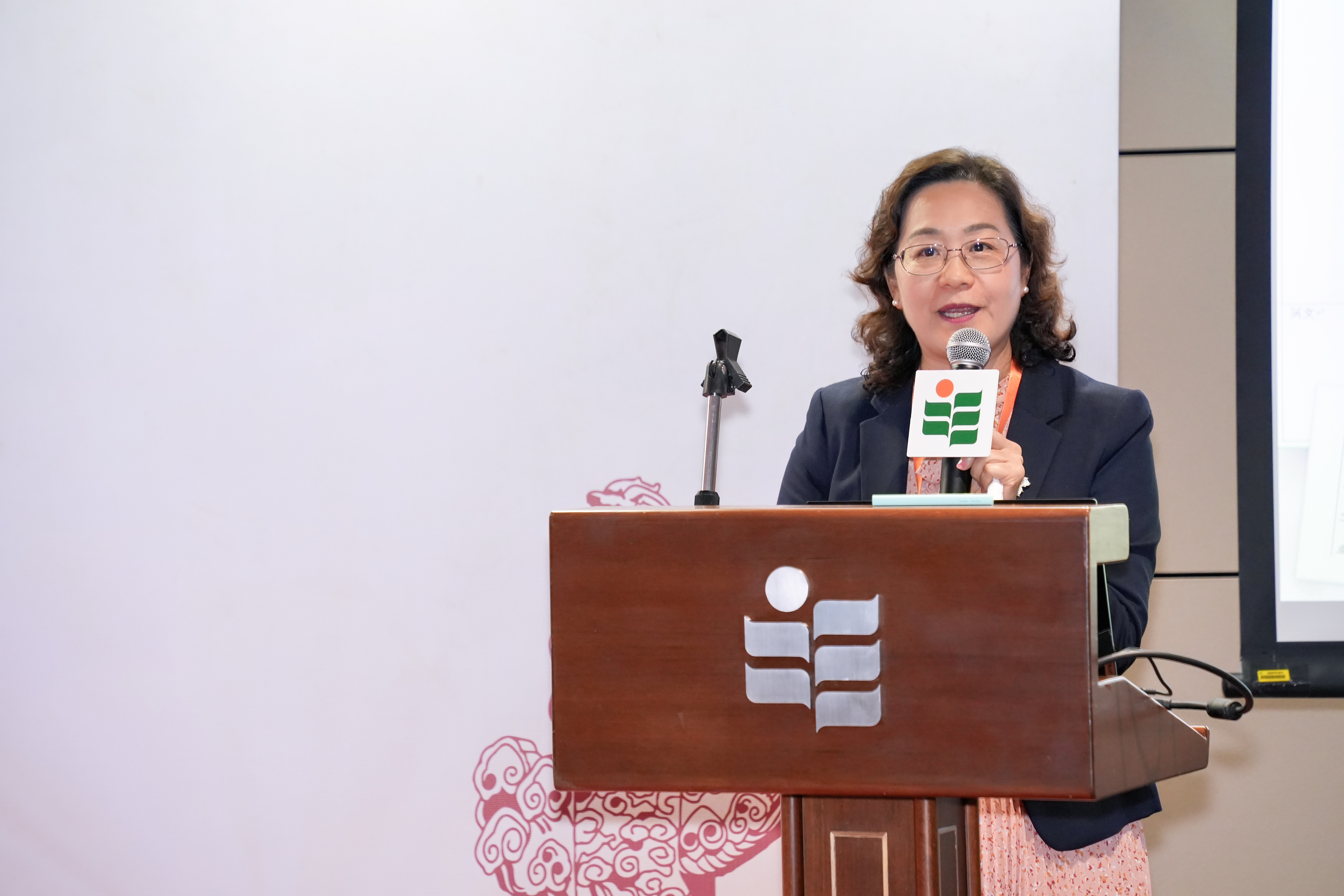
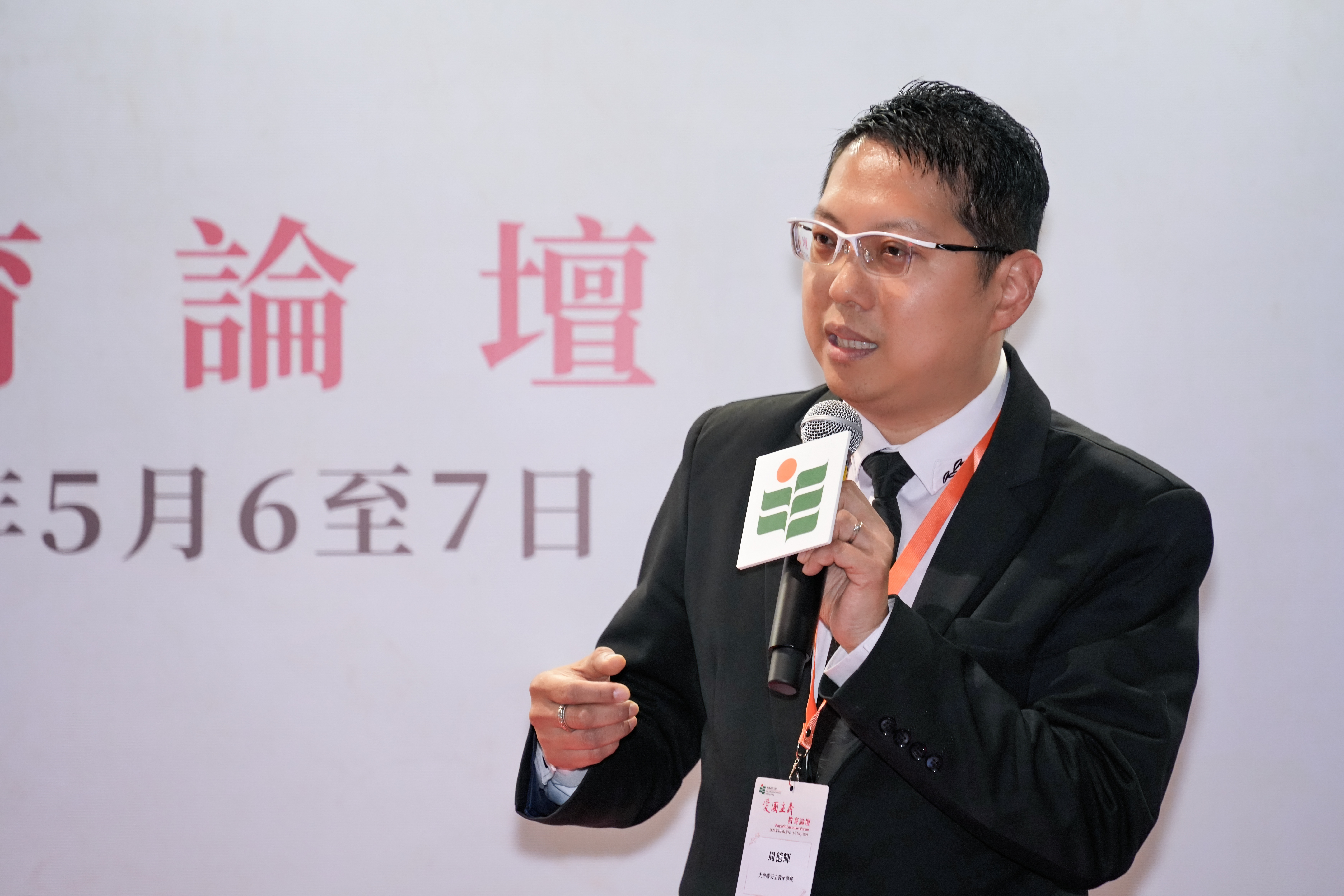
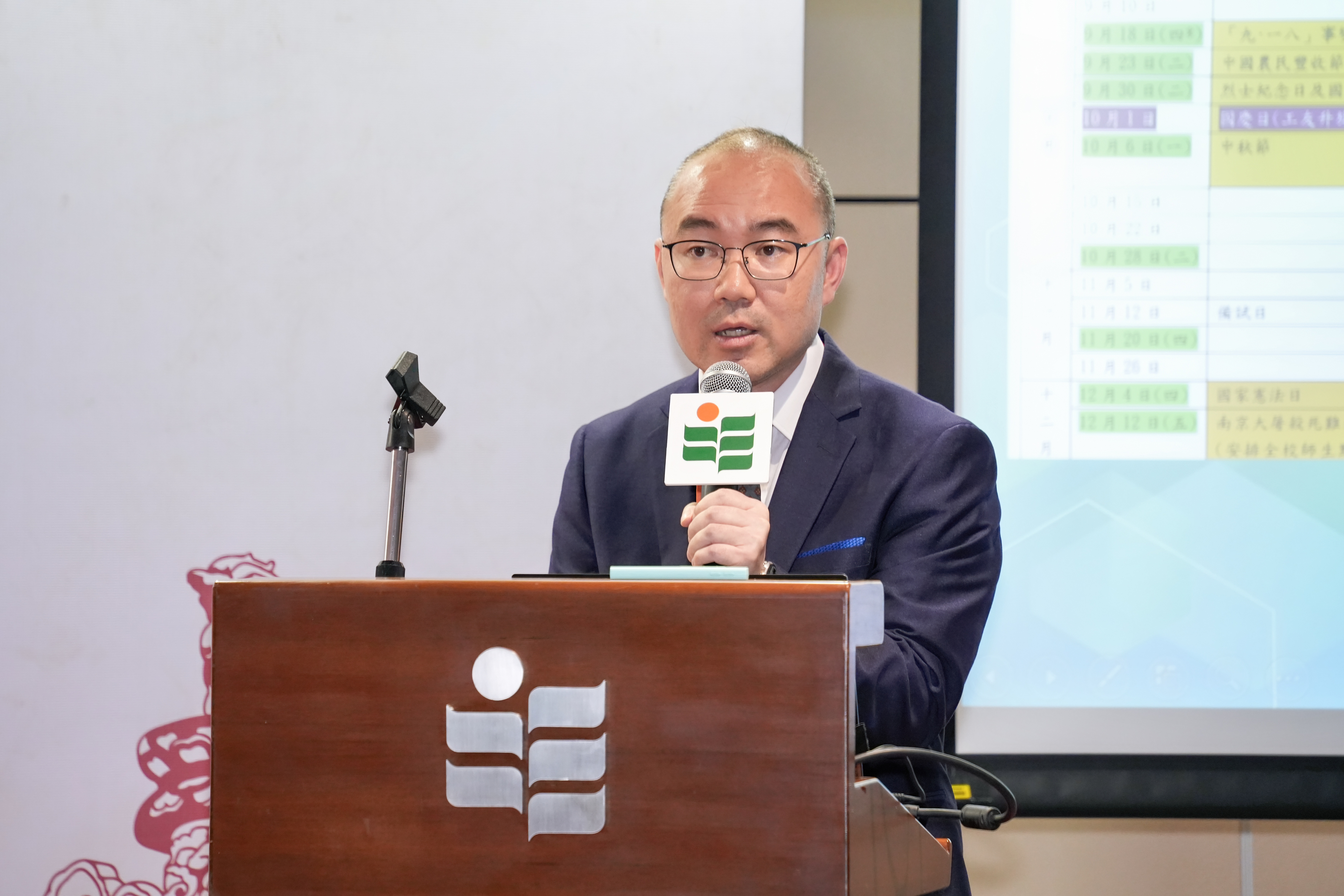
Dedicated sessions for secondary and primary schools featured distinguished speakers (in order of appearance): Dr Wong Ching-yung, Principal of Scientia Secondary School, Mr Ng Wun-kit, Principal of Pui Kiu Middle School; Mr Lee Kit-ming, Principal of Lai Chack Middle School; Mr Tommy Wong Tang-tat, Principal of Shenzhen Hong Kong Pui Kiu College Longhua Xinyi School; Mr Chow Tak-fai, Principal, and Mr Poon Wai-keung, Vice Principal of Tai Kok Tsui Catholic Primary School; Ms To Kwan-kuen, Principal of Xianggang Putonghua Yanxishe Primary School of Science and Creativity; Mr Poon Chi-wing, Principal of ELCHK Faith Lutheran School; and Ms Elaine Lee Yee-ling, Vice Principal of Guangzhou Jinan University Hong Kong and Macao Students’ School. They shared how diverse learning contexts can be leveraged to foster students’ sense of national identity.
Drawing on the school’s history and educational philosophy, Dr Wong Ching-yung introduced a holistic approach to promoting patriotic education through classroom learning, experiential activities and campus culture. He highlighted the importance of integrating cognitive understanding with the development of values and attitudes, and of leveraging legal education and cross-regional exchanges to foster students’ national identity through the progressive development of knowledge, values, attitudes and practice, thereby supporting whole-person development.
Mr Ng Wun-kit emphasised the importance of adopting a systematic and experiential approach to avoid superficial implementation of patriotic education. Through a structured “Learning and Growth Week” spanning Secondary One to Secondary Five, the school integrates activities such as military training, agricultural experience, leadership development and Greater Bay Area study tours to strengthen students’ character, competencies and national awareness, while linking national development with their career planning.
Mr Lee Kit-ming underscored the importance of grounding patriotic education in school-based history and culture, and adopting authentic, real-life contexts to guide students’ development across knowledge, affection, values and action. Through classroom learning, life-wide learning, service learning and the cultivation of campus culture, complemented by parent education, exchange programmes and community service, the school enhances students’ understanding of national development and Chinese culture, while nurturing their commitment to safeguarding national security and prioritising the country's interests.
Mr Tommy Wong Tang-tat shared a model that embraces Shenzhen-Hong Kong integration by combining Mainland resources with Hong Kong’s school-based advantages. Emphasising both explicit learning and implicit cultural immersion, and integrating formal lessons with signature activities, the school strengthens students’ national awareness and identity through participation, experience and reflection, with the aim of nurturing a generation rooted in China and oriented towards the world.
Mr Chow Tak-fai and Mr Poon Wai-keung highlighted a whole-school, systematically planned approach supported by cross-departmental collaboration and continuous improvement under the Planning–Implementation–Evaluation (PIE) framework. By integrating curriculum elements, flag-raising ceremonies and diversified activities, together with home-school collaboration and exchange programmes, the school enhances students’ understanding of national history, culture and the rule of law, while reinforcing their national identity.
Ms To Kwan-kuen shared a multi-pronged strategy characterised by “diversified approaches”, “mutual co-ordination”, “organic integration” and “natural connection”. By aligning curriculum integration, campus culture, a Putonghua-speaking environment and parental engagement, the school creates an immersive learning experience. Through diverse resources, activities and community service, it helps develop students’ cultural confidence, enabling them to progress from awareness to identification and practice.
Mr Poon Chi-wing noted that, under the values education framework of “Rooted in Chinese Culture, Connecting with the World, Embracing the Future”, the school fostered patriotic education in multiple ways. These include the establishment of a National History Education Centre, systematic Chinese culture exchange programmes, curriculum integration, engagement with elite athletes, and a wide range of national security education activities. Collectively, these initiatives strengthen students’ national identity and sense of pride, while fostering their commitment to the country.
Ms Elaine Lee Yee-ling shared her experience of implementing patriotic education within the International Baccalaureate (IB) curriculum of an international school. Focusing on identity recognition, cultural heritage, historical understanding and civic responsibility, the school embeds these values into interdisciplinary learning to nurture students as culturally confident communicators in a multicultural environment, shouldering the mission of effectively telling China’s story.
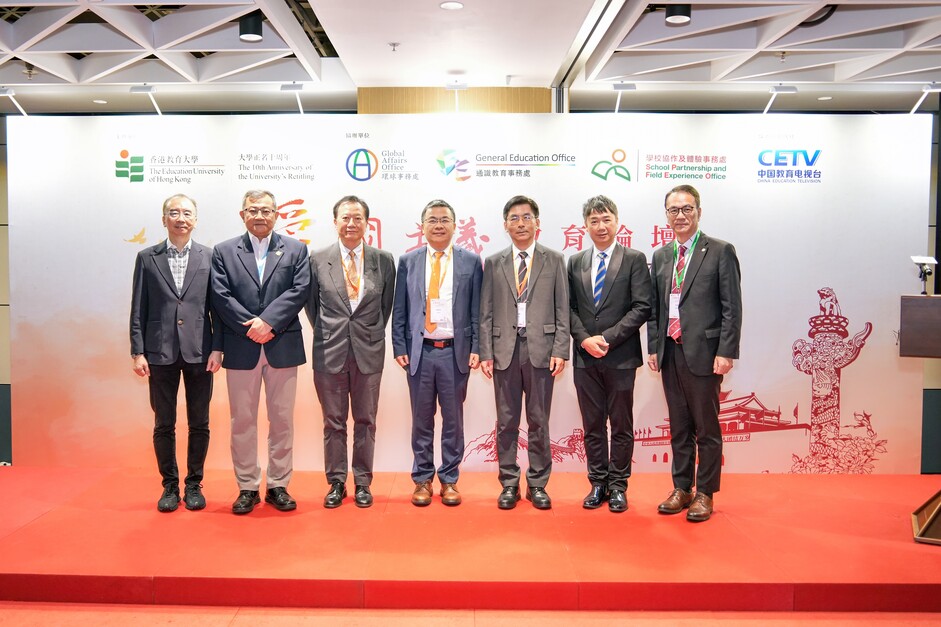
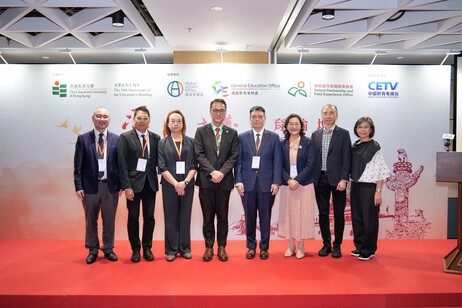
The guests shared their experiences and achievements in implementing school-based patriotic education, illustrating how to foster students’ sense of national identity within diverse learning contexts, which greatly inspired the attendees. Attending guests included Professor Pamela Leung Pui-wan, Acting Dean and Associate Dean (Quality Assurance and Enhancement) of the Faculty of Humanities at EdUHK, Mr Langton Cheung Yung-pong, Professional Consultant, Honorary School Partnership Advisors, as well as primary and secondary school principals and teachers.
-Ends-