

EdUHK Organises ‘International Conference on Special Education 2025’ for Over 2,000 Stakeholders
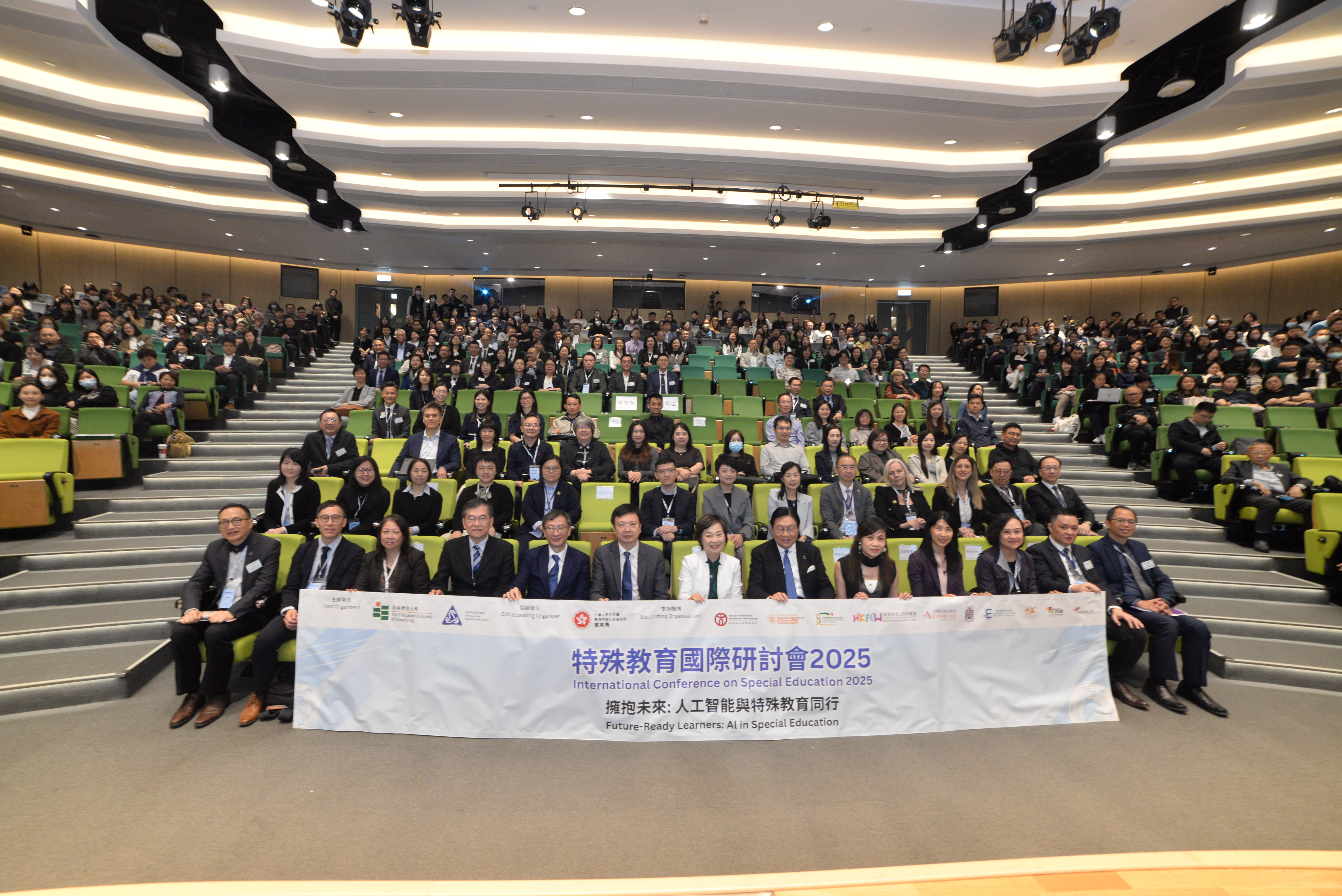
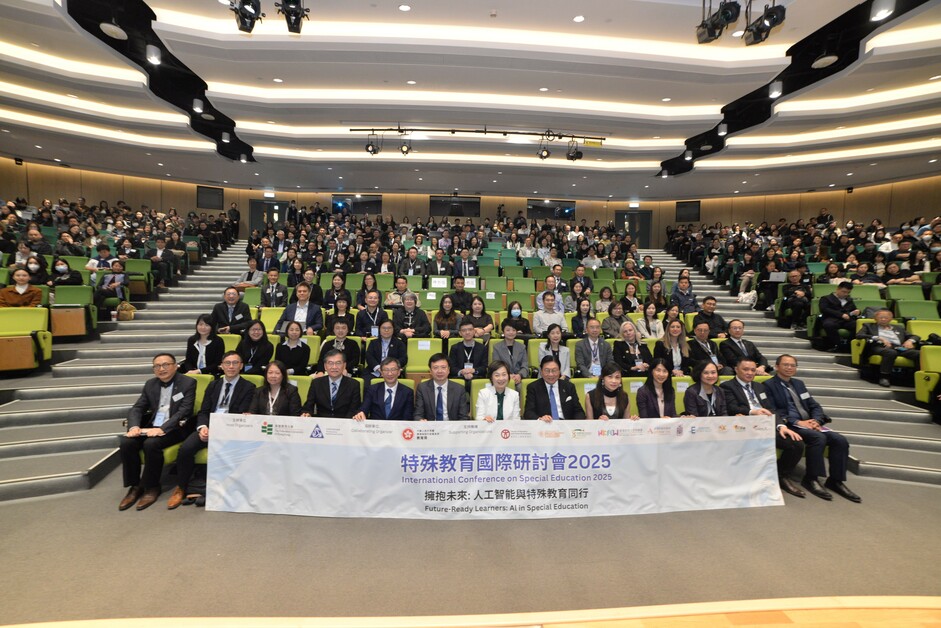
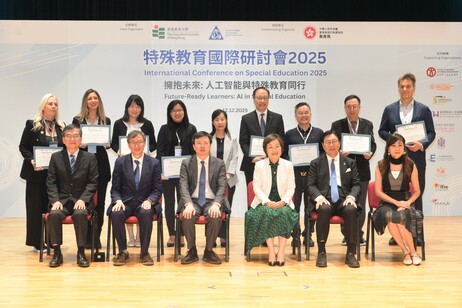
Organised by The Education University of Hong Kong (EdUHK) and the Hong Kong Special Schools Council, with the support of the Education Bureau (EDB) of the Government of the HKSAR, the ‘International Conference on Special Education 2025’ was held today (12 December) at EdUHK’s Tai Po campus. Centred on the theme ‘Future-Ready Learners: Al in Special Education’, the conference featured a series of keynote speeches, parallel talks and an exhibition comprising some 20 booths. It provided a professional platform for special education practitioners to exchange ideas and explore how artificial intelligence (AI) can be harnessed to enhance teaching effectiveness and meet to the diverse needs of students. The event involved more than 2,000 participants, including principals, teachers, prospective teachers, therapists, professionals and individuals with a keen interest in special education.
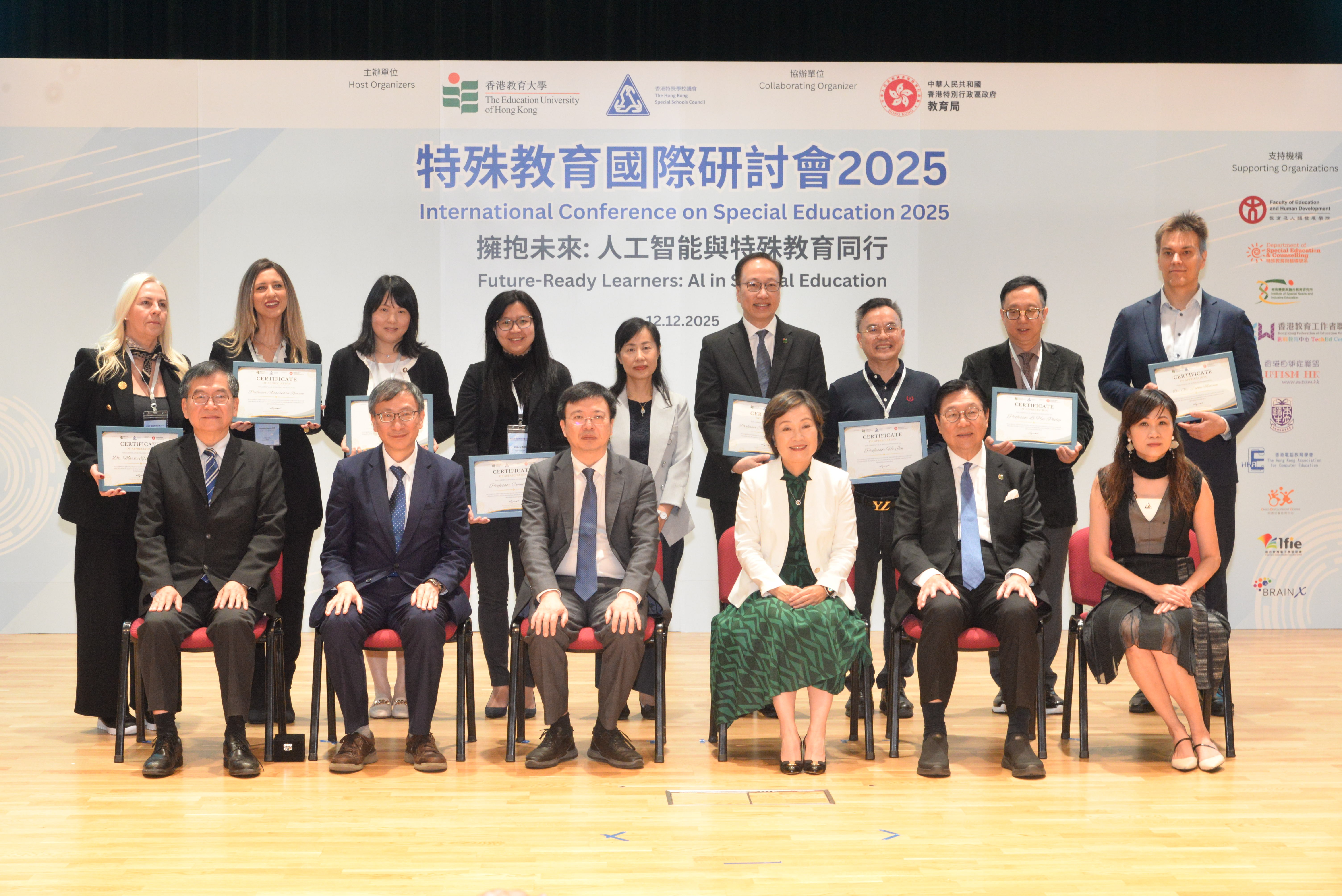
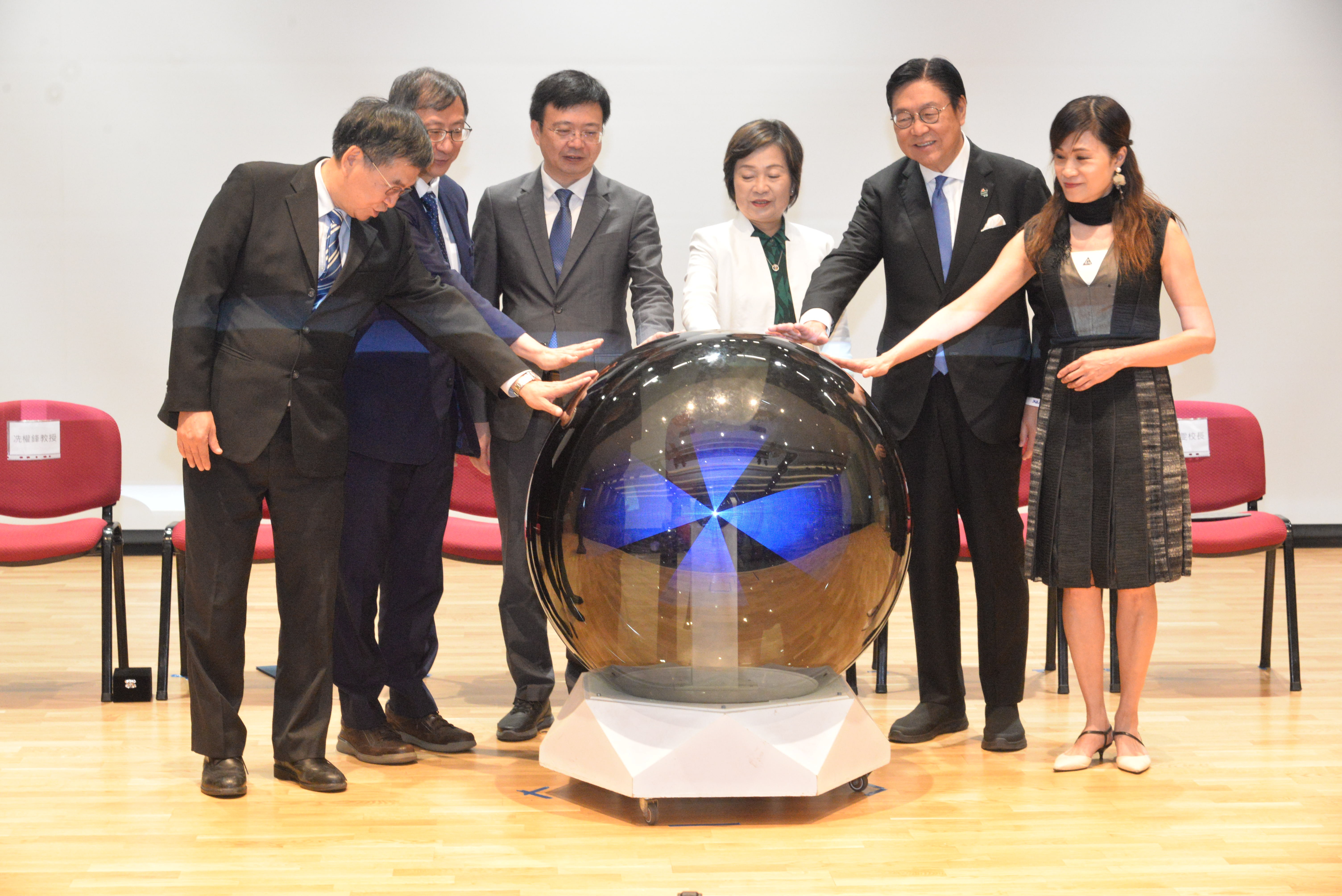
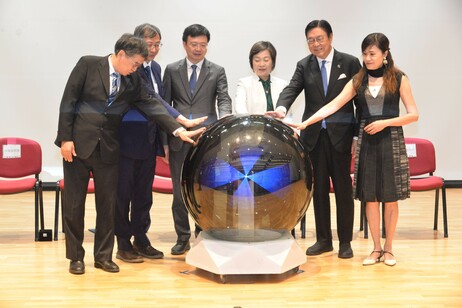
The opening ceremony was officiated by prominent stakeholders in the education sector, including Dr Choi Yuk-lin, Secretary for Education, Mr He Jinhui, Division Director of the Education, Science and Technology Department of the Liaison Office of the Central People's Government in the HKSAR, Professor Fredrick Ma Si-hang, Permanent Honorary President of the Hong Kong Special Schools Council and EdUHK Honorary Doctor, and Professor John Lee Chi-Kin, President of EdUHK. Their presence underscored the significance of the event and reflected the strong commitment and support from different sectors of society towards the advancement of special education.
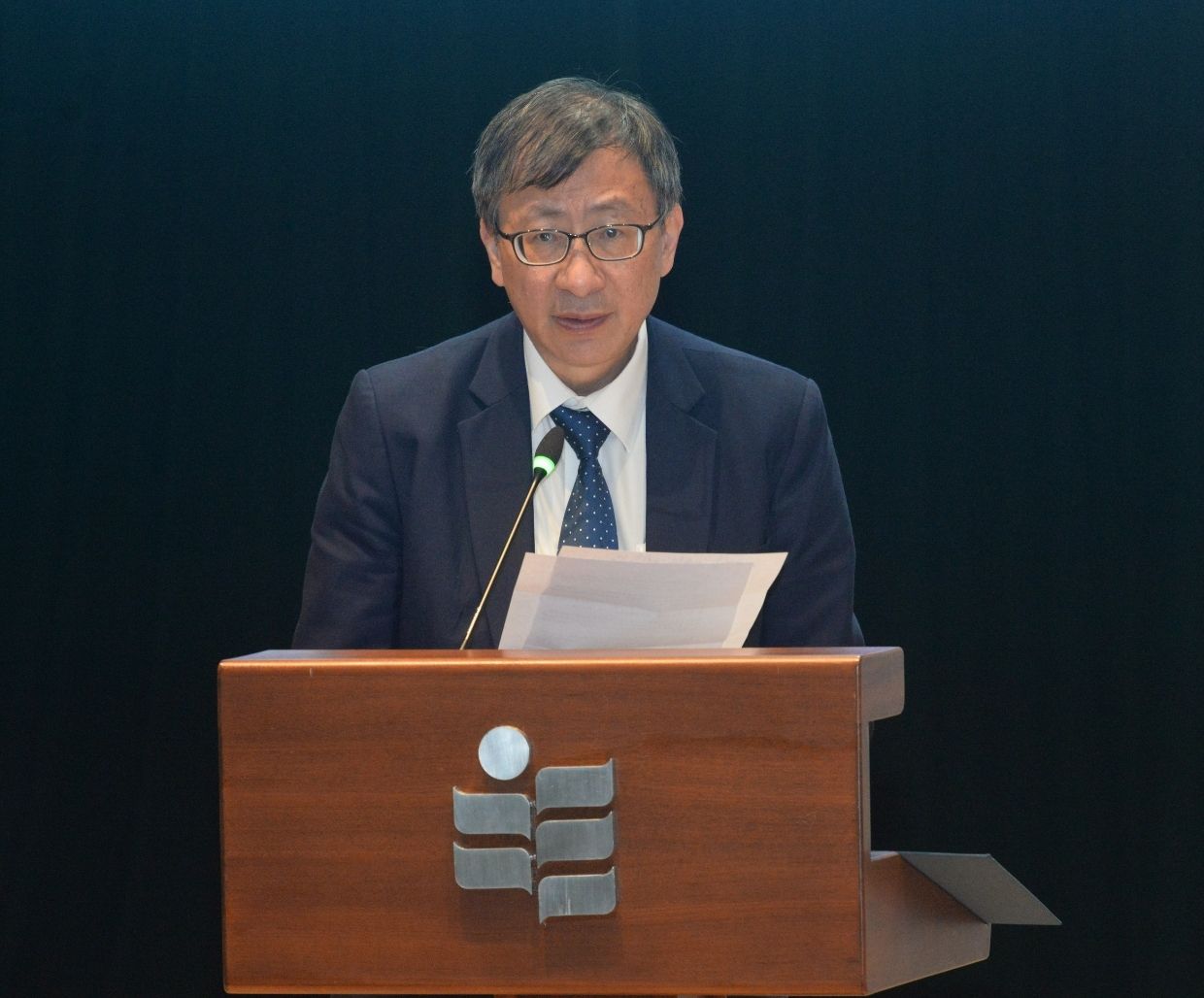
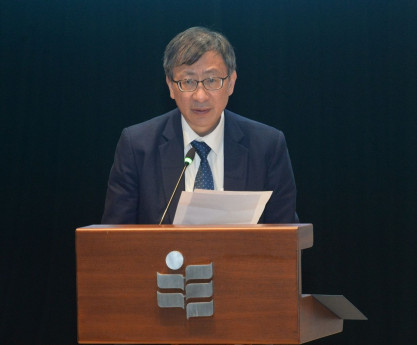
Professor Lee shared his vision for applying AI technologies in the field of special education. “There are currently about 80,000 students with special educational needs enrolled in mainstream primary and secondary schools, as well as special schools, across Hong Kong. To support teachers in making the most of AI tools and enhancing the quality of teaching, EdUHK has been actively driving the integration of AI in education. I am confident that the use of AI tools to advance inclusive education is steadily becoming a reality, reflecting core values of diversity and inclusion in education.
The conference brought together experts from Italy, the United Arab Emirates, the United Kingdom, the United States and Singapore, as well as scholars from the Chinese Mainland and Hong Kong, China, to deliver keynote speeches on the latest developments in special education and AI technologies. Local frontline educators and technology practitioners also engaged in thematic sessions exploring areas such as ‘Technology Empowerment’, ‘Smart Education’ and ‘Unlocking Potential’. These discussions focused on creating more diversified educational tools tailored to the needs of special education, and on building a more effective, inclusive and dynamic learning environment.
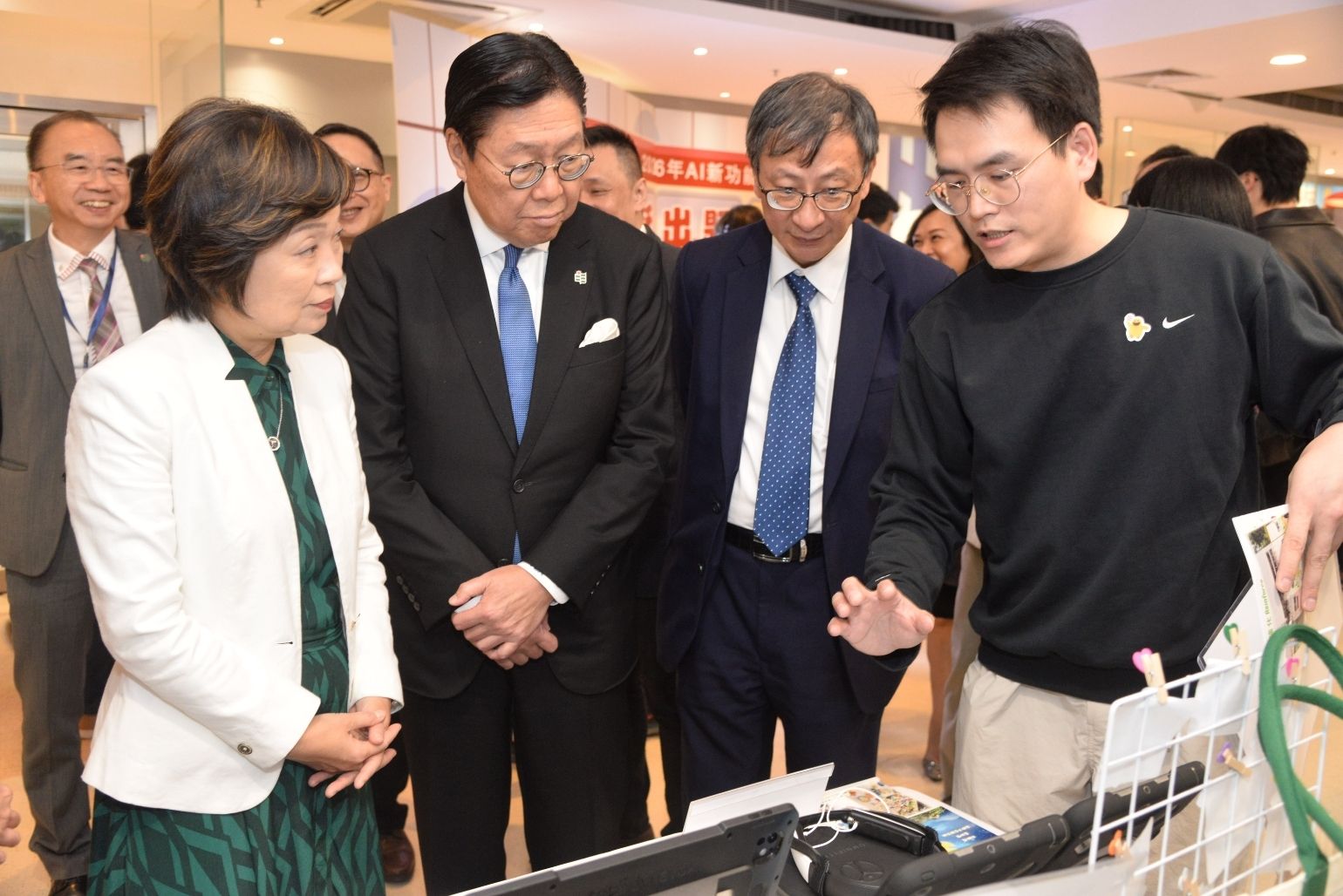
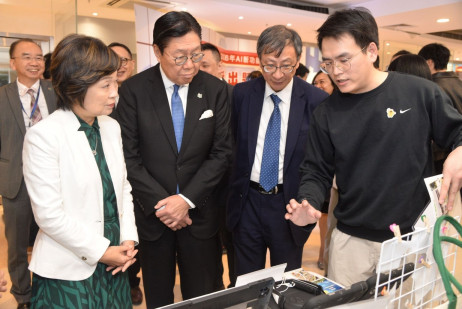
The conference also featured an exhibition showcasing a range of AI-driven learning tools designed to meet diverse student needs, alongside special education research projects from schools and related organisations. It fostered cross-sector exchange, inspired innovative thinking, and demonstrated how AI can bring transformative breakthroughs to special education. The event concluded with the theme ‘Advancing Special Education with AI’, highlighting the synergy between technology and education. It emphasised the comprehensive support that AI tools can provide for the development of special education, strengthening assistance for teachers and students with special needs, and injecting vitality into the field to create a more inclusive and diversified future.
Currently, Hong Kong has over 80,000 students with special educational needs enrolled in mainstream primary, secondary schools and special schools. To better support teachers in assisting these students, EdUHK has long been committed to promoting professional training in special education and conducting a wide range of research projects. Through organising international conferences, the University fosters exchange across different sectors, enabling participants to gain insights into the latest developments in AI and explore its applications for special education, thereby addressing diverse student needs and driving continuous innovation in education.
-Ends-
Media Enquiries