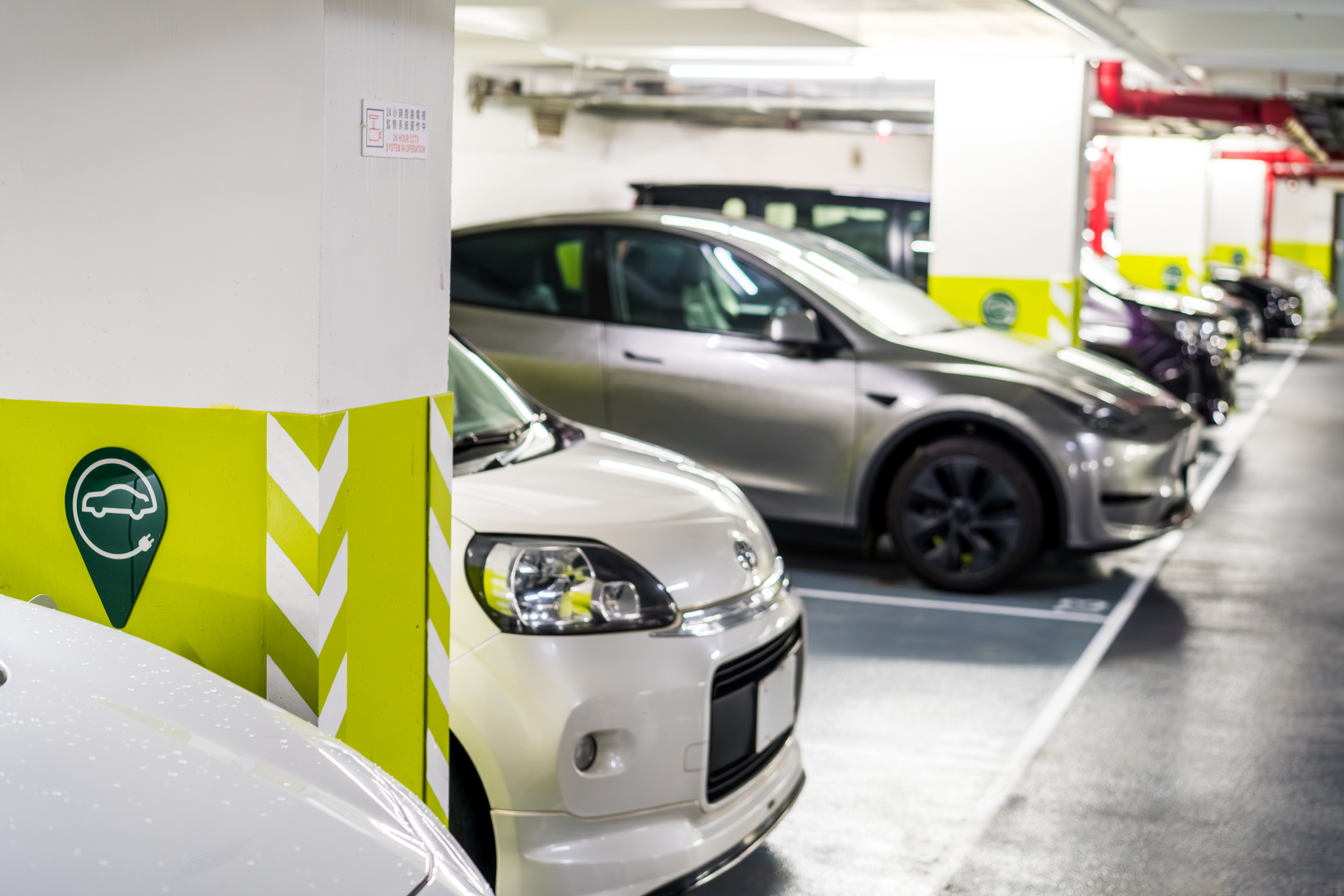


EdUHK Expands EV Charging Facilities to Advance Sustainable Campus Mobility
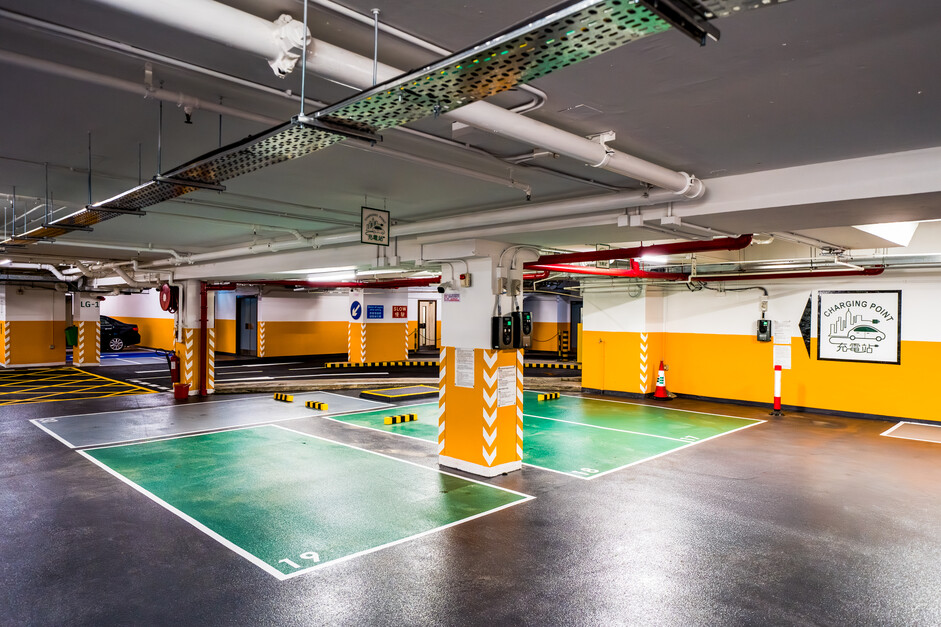
Nearly half of the vehicle ownership registered at The Education University of Hong Kong (EdUHK) are now electric – a sharp increase from 30% in April 2025 to nearly 50% at present, following a major campus project that expanded the number of charging points from 30 to 150 in April last year. With this large-scale upgrade completed, EdUHK has become one of the universities in Hong Kong with the most comprehensive Electric Vehicles (EV) infrastructure, marking an important milestone in sustainable campus development.
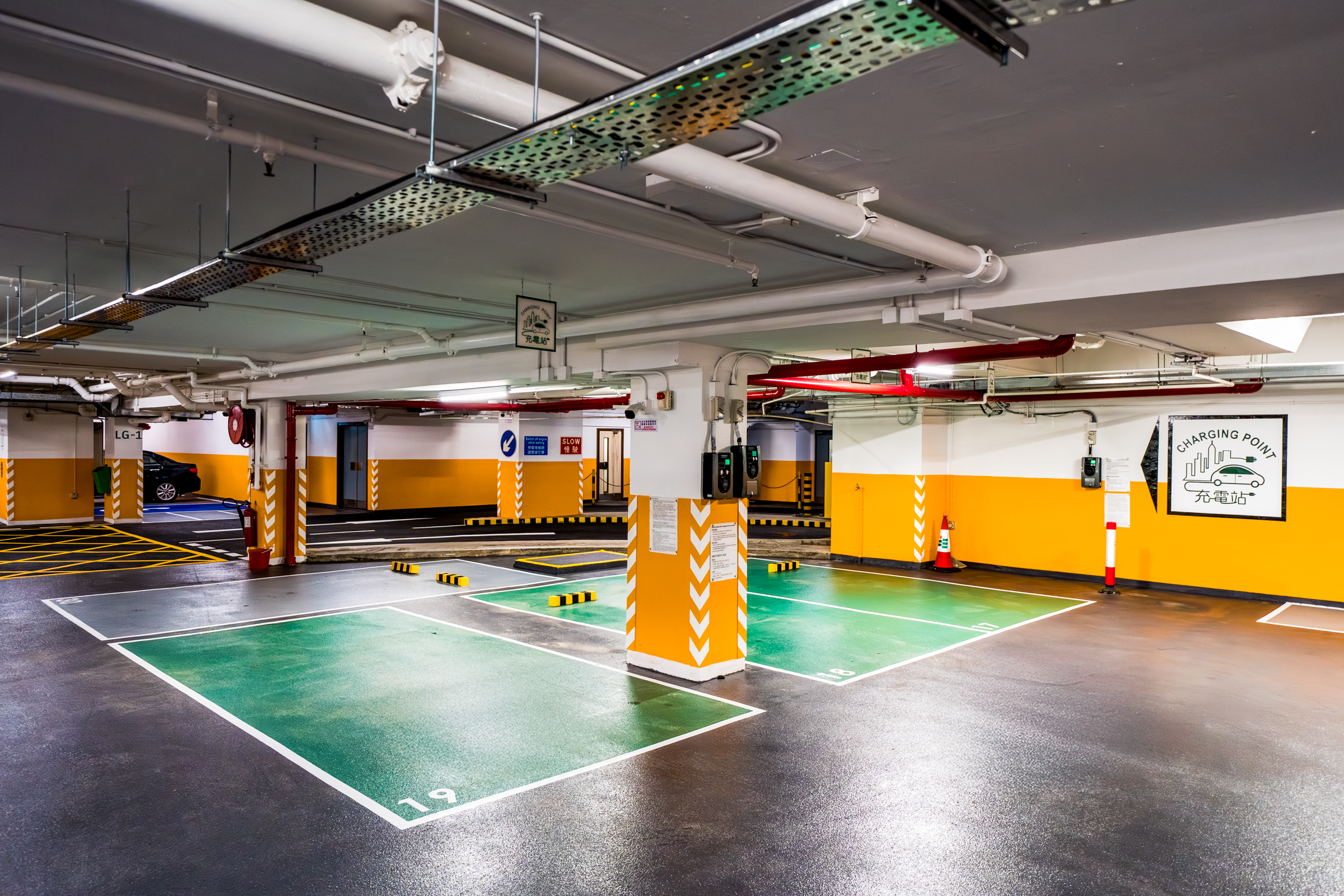
The expansion project, launched in August 2024 and completed in April 2025, added 120 new charging sockets at the Cho Kwai Chee Foundation Building car park on the Tai Po campus, greatly enhancing convenience for users. Prior to the expansion, utilisation rates consistently exceeded 90%, approaching saturation. Following completion, usage dropped to around 50% as recorded in March 2026, reflecting a significant increase in capacity. As more people transition from traditional fuel vehicles to EVs, demand is expected to rise again, while emissions are reduced and campus air quality improves.
To further lower its overall carbon footprint, EdUHK also plans to gradually phase out fuel-powered vehicles owned by the University, replacing them with electric or new-energy vehicles. Through continued investment in sustainable infrastructure, the University reaffirms its commitment to green transportation and contributes to Hong Kong’s climate and decarbonisation goals.
The project was supported by rigorous electrical load assessments and safety compliance checks throughout planning and construction, ensuring reliability and scalability. EdUHK will continue to monitor usage and plan for future growth, underscoring its long-term commitment to sustainability and environmental stewardship.
EdUHK also promotes environmental awareness through a variety of campus-wide initiatives, including “Campus Recycling Day”, “Eat for the Planet”, “Earth Hour”, waste and carbon audits, and a reusable lunch box loan scheme, embedding sustainable living practices into everyday campus life.
-Ends-
Media Enquiries