

EdUHK’s Department of Chinese Language Studies Hosts ‘The Dao and the Dharma: An International Symposium on Chinese Religious Literature’
Advancing Interdisciplinary Research with a Global Vision
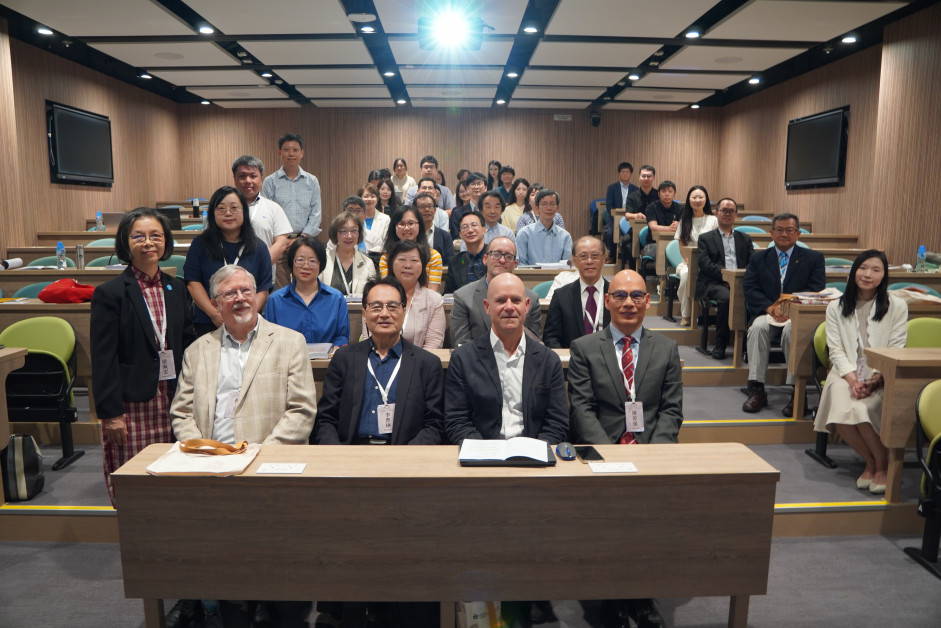
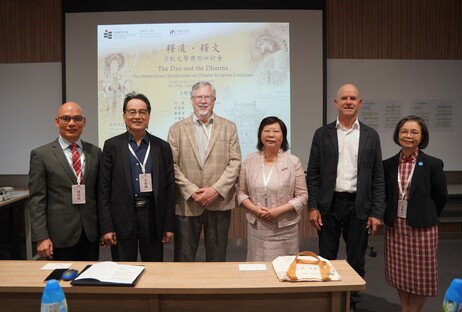
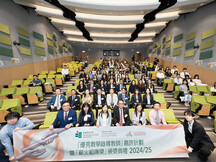
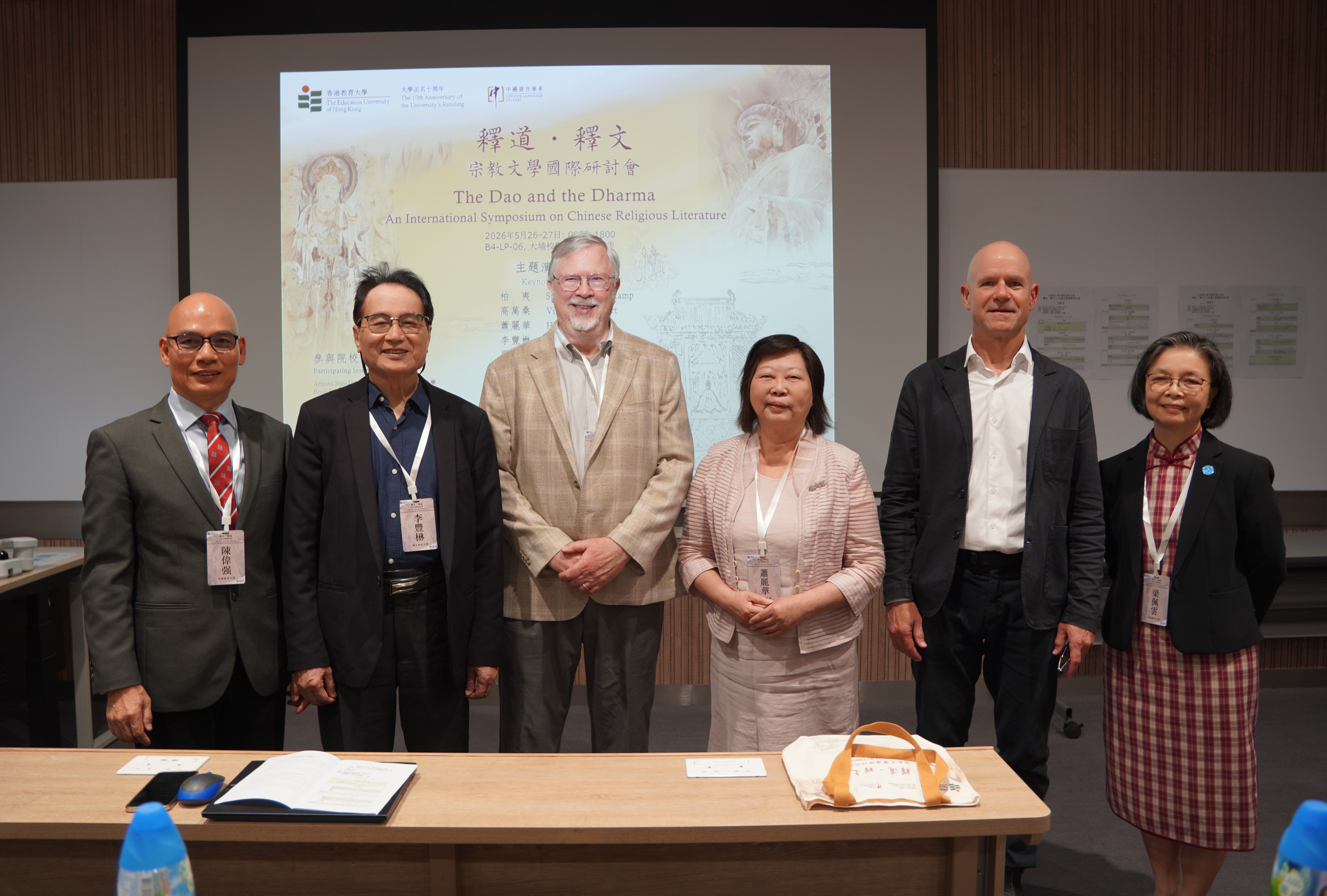
On 26-27 May, the Department of Chinese Language Studies at The Education University of Hong Kong (EdUHK) hosted the international symposium ‘The Dao and the Dharma: An International Symposium on Chinese Religious Literature’. Scholars from the Chinese Mainland, Hong Kong, China, Taiwan, China, Japan, the United States, Australia, and France gathered at the Tai Po Campus for in-depth discussions on Buddhist and Daoist literary writings. Covering scriptures, sectarian doctrines and hagiographies, the symposium provided a platform for interdisciplinary dialogue between religious studies and literary studies, opening new scholarly directions.
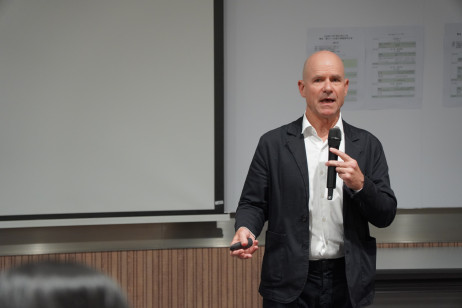
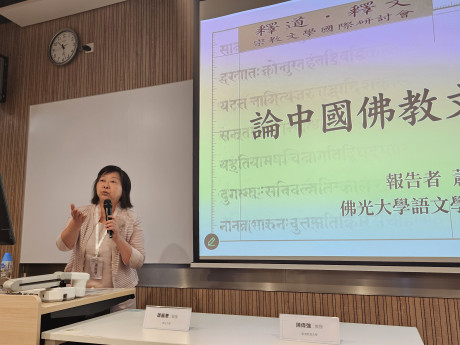
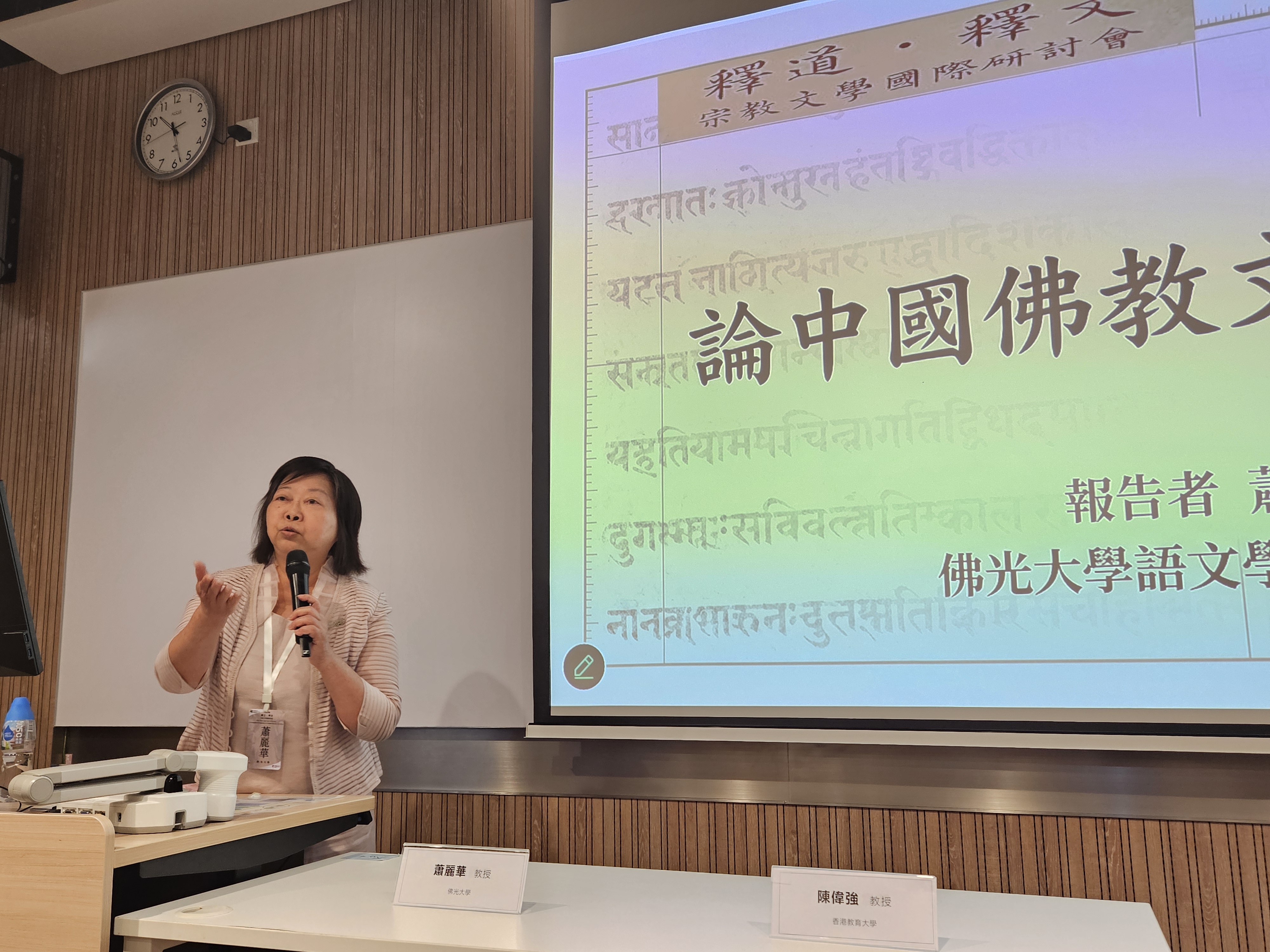
Five keynote addresses by internationally renowned scholars set the tone. The presentations spanned across multiple themes, including Buddho-Daoist interactions, textual origins of ideas, scriptural exegeses, and hagiographies. Professor Stephen R. Bokenkamp examined the relationship between Buddhist and Daoist literature; Professor Hsiao Li-hua traced the origins of Chinese Buddhist texts; Professor James Robson explored the Buddhist roots of inner alchemy in medieval Chinese literature; Professor Lee Fong-mao elucidated the Daoist doctrines embedded in the deep structure of Journey to the West; and Professor Vincent Goossaert analysed the literary persona of deities in spirit-written texts. These studies mapped the complex interplay between religion and literature, enriching literature-oriented religious studies and interdisciplinary scholarship.
The symposium also featured eight panel sessions on diverse topics from multiple perspectives. The papers shed light on topics like the interrelationship of Confucianism, Buddhism, and Daoism; interpretations of doctrinal and ritual texts, narrative strategies of writings preserved in Dunhuang manuscripts, compilation and literary presentation of hagiographies and prophetic writings in the Tripiṭaka and Daoist canon, self-cultivation and gender perspectives in Chan-Buddhism, religious imagery and cultural memory. Presenters highlighted how religious thought permeates Chinese literature and enhances its aesthetic appeal, exemplifying the vitality of interdisciplinary research.
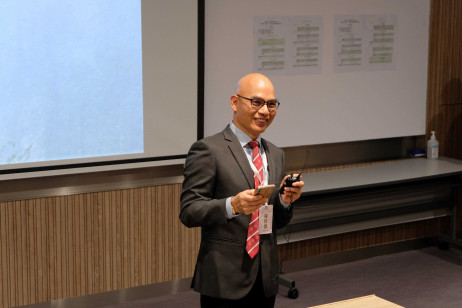
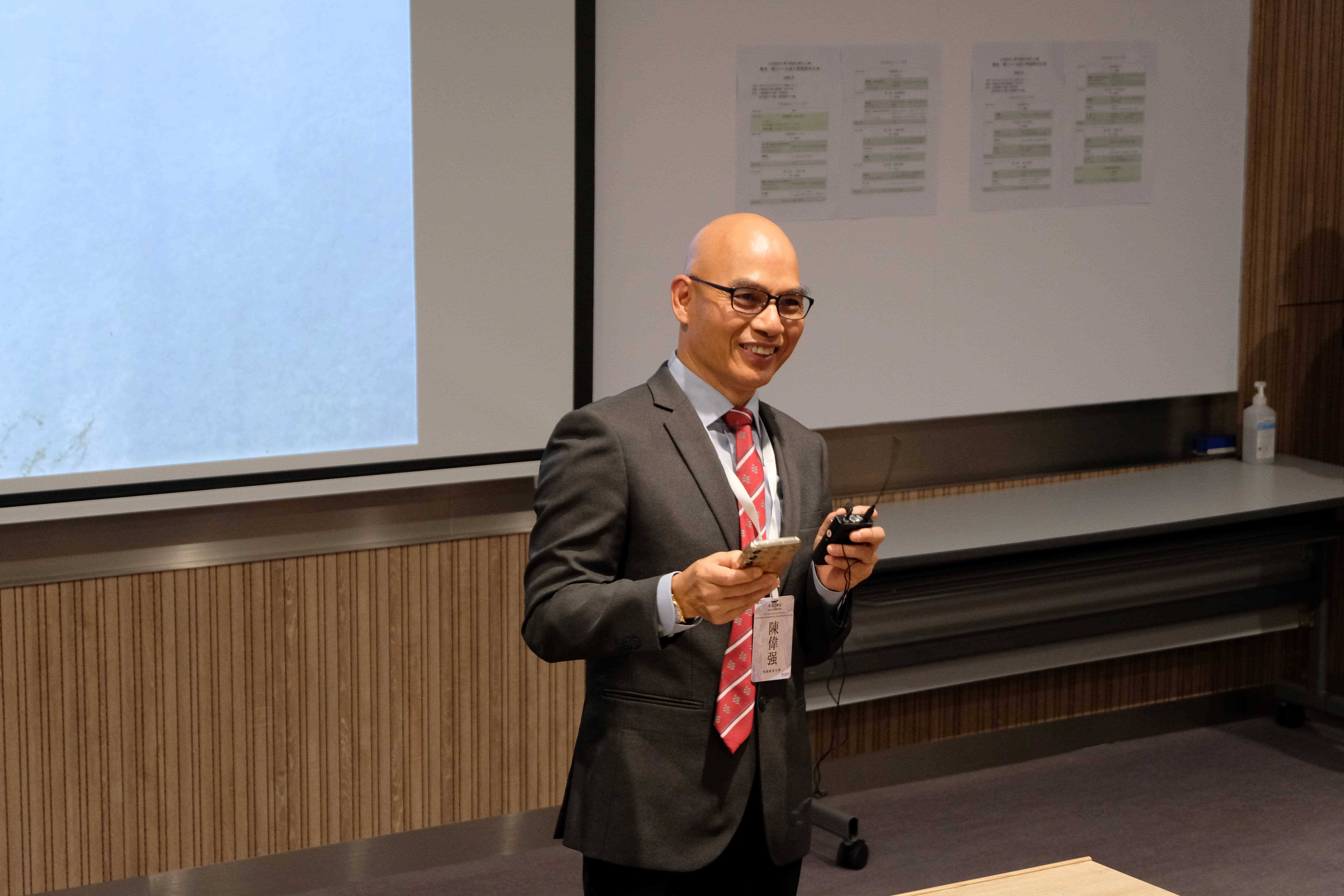
In his remarks, Professor Timothy Chan Wai-keung, Head of Department of Chinese Language Studies and symposium convenor, emphasised that the event deepened scholarly understanding of ‘religio-literary literature’ and ‘literary religion’. He noted that innovative methodologies and understudied texts demonstrated new pathways for interdisciplinary research. He expressed hope for continuous efforts to advance this scholarship and to establish Hong Kong as a new hub for Sinological and interdisciplinary studies.
--Ends--
EdUHK’s Department of Chinese Language Studies Hosts ‘The Dao and the Dharma: An International Symposium on Chinese Religious Literature’
Download all images